Porto is a city built on wine, yet choosing where to sleep can be surprisingly tricky. Wine-loving travelers often struggle to pick which neighborhood puts them closest to port cellars, wine bars and riverside charm, because each area offers a different version of the city. The best areas to stay in Porto depend on whether you want to stumble home from a tasting room, wake up facing the port lodges or escape the crowds entirely.
This guide breaks down the city by wine lover’s priorities. We’ll compare Ribeira’s riverside bustle with Gaia’s lodge-lined quays, look at the local bar scene in Cedofeita and Baixa, and consider coastal Foz do Douro. You’ll also find advice on when to book for the best rates and tasting availability, plus a simple way to match your neighborhood to your tasting style.
Ribeira: Riverside Stays in the Heart of the Wine Scene
Ribeira is Porto’s UNESCO-listed riverside quarter, and it packs the densest cluster of wine bars and traditional tascas into its tangled lanes. You can wander from a glass of vinho verde to a plate of grilled sardines without ever leaving the waterfront. This is the neighborhood for travelers who want the wine scene literally on their doorstep.
The setting is the real draw. From many rooms here, you look directly across the Douro at the Gaia cellars glowing in the evening light. Crossing to the lodges is easy too: the Dom Luís I Bridge puts you in Vila Nova de Gaia in about 10–15 minutes on foot, making a spontaneous afternoon tasting entirely doable.
Rates and noise
Popularity comes at a price. In high season, expect roughly €120–€250 per night for central Ribeira rooms, so book early if you want a view. The narrow streets that give the quarter its charm also carry sound, especially on weekend nights when the bars spill outside. Ask for a courtyard-facing room when you reserve, and you’ll get the atmosphere without the 2 a.m. chorus.
Vila Nova de Gaia: Sleep Next to the Port Lodges
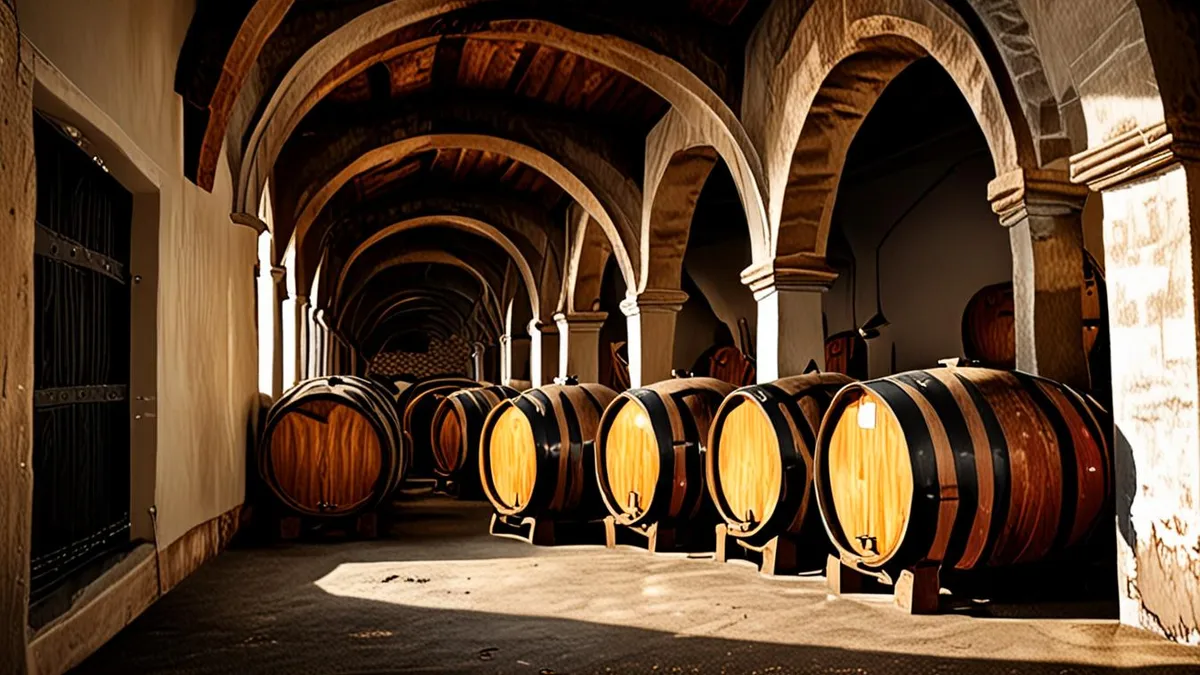
Vila Nova de Gaia is where port actually lives. The historic port wine lodges line the riverside here, and most tastings are priced in the €10–€30 range, which makes it easy to compare houses in a single afternoon. Instead of walking to the cellars, you simply step outside your hotel.
The feel is noticeably different from Ribeira. Gaia is quieter and more residential, and its riverside hotels face the old town skyline across the water, so you get one of Porto’s best views without sleeping in the middle of the party. If you’re the kind of traveler who researches room options obsessively, our guide to the best hotels in England for travelers shows how we compare stays in detail.
Who it suits best
Gaia is the pick for travelers who want evening cellar tours and sunset tastings within a 5-minute walk of their bed. You can tour a lodge in the late afternoon, watch the sun drop behind Porto’s towers with a glass of tawny in hand, and be back in your room before the crowds have even crossed the bridge. For anyone whose trip revolves around port itself, this is the side of the river to book.
Cedofeita and Baixa: Wine Bars Without the Tourist Crowds
If Ribeira feels too postcard-perfect and Gaia too lodge-focused, head uphill. Cedofeita has developed a genuinely local wine bar scene, along with shops specializing in natural wines from small Portuguese producers. The streets here fill with residents rather than tour groups, so you can linger over a glass of vinho verde or a Douro red without feeling herded through an itinerary. You’ll be 15–20 minutes on foot from the river, which keeps the tourist crowds at arm’s length without cutting you off from the waterfront entirely.
Baixa, meanwhile, puts you near São Bento station and the Bolhão market, which is handy in a very practical way: you can stock up on cheese, bread and fruit for a picnic before heading out to cellar visits. Staying here means your wine trip mixes tastings with everyday Porto life, from morning coffee at a neighborhood counter to evening bar hopping among locals. It’s the kind of base where bartenders remember your order by the second night, and where you’ll pick up recommendations you’d never find in a guidebook.
The value is another strong argument. Mid-range rates of roughly €80–€150 per night make these areas some of the best value in high season, especially compared with riverside addresses. That saving adds up over a long weekend and leaves more room in the budget for tastings, day trips or a splurge dinner.
- Cedofeita’s gallery circuit: several small art galleries and concept stores sit along the same streets as the wine bars, so you can pair an afternoon of browsing with an evening pour.
- Bolhão timing: the market is liveliest in the morning, so buy your picnic supplies early and store them at your hotel before a day of cellar visits.
- Metro access: both areas sit close to metro lines that reach the riverside quickly, useful if you’d rather not walk back uphill after a long tasting session.
Foz do Douro: Ocean Air and Wine by the Coast
Foz do Douro is where the Douro River finally meets the Atlantic, sitting roughly 6–8 km west of the historic center. This is Porto at its most relaxed: salty ocean air, waves crashing on the rocks, and a promenade that stretches along the water. If you want your wine tastings balanced with beach walks and long seafood dinners, this is the neighborhood for you.
The area suits a particular kind of wine traveler. Rather than hopping between cellars all day, you might visit one or two tastings in the morning, then spend the afternoon strolling past the lighthouse at Farol de Felgueiras or watching surfers from the seafront. Evenings lean toward grilled fish and a chilled glass of vinho verde at a terrace restaurant rather than a packed bar crawl.
Getting Back to the Center
One thing to plan around: Foz is about 20 minutes from the center by bus or tram. That is easy enough, but return times matter, so check schedules before booking an evening tasting in Ribeira or Gaia. If you time it well, you can enjoy the best of both worlds — a coastal base and the wine scene within easy reach.
Hotels here tend to be quieter and more residential than the riverside quarters, and the seafront setting makes it a refreshing change of pace. If you love the idea of waking up near the water, you might also enjoy browsing Algarve beach hotels for sunny holidays for a coastal escape further south.
When to Book Your Porto Wine Trip
Timing your trip well can make a real difference to both your budget and your tasting experience. Porto’s wine scene has clear high and low seasons, and the crowds at the big Gaia lodges follow them closely. Weather, prices and queue times all shift together, so picking the right dates matters as much as picking the right neighborhood. Here’s how to plan it.
- Pick May–June or September–early October for your dates. These windows combine mild weather with harvest-season energy in the surrounding Douro region, and the city feels lively without the peak-summer crush. Terraces and riverside bars are at their best, and you can walk between tastings without wilting in the heat.
- Reserve 2–3 months ahead for those windows. Rooms in the popular riverside and Gaia areas fill early, and so do tables at well-known wine bars, so lock in both at the same time. If you have your heart set on a specific lodge tour, book that first and build your dates around it.
- Consider November–March if you want to spend less. Rates drop to roughly €60–€120 per night, which frees up budget for extra tastings or a nicer dinner. The trade-off is cooler, wetter weather, so pack layers and plan a few indoor evenings near a fireplace and a glass of tawny.
- Use low season for flexibility. Cellar tour bookings are easier to make last minute, and tasting queues at the famous lodges are noticeably shorter. You can often walk in on the same day, which makes it easy to follow recommendations from locals or fellow travelers.
Whichever window you choose, remember that festivals, conferences and public holidays can push prices up in specific weeks, so check a few date combinations before committing. Shifting your stay by two or three days can sometimes save enough to cover an extra tasting on its own. It also pays to confirm lodge opening schedules for the exact weeks you travel, as hours can vary outside the busiest months. A short email to your hotel before booking is often all it takes to get current advice.
How to Choose the Right Area for Your Wine Style
The right base depends less on the city and more on how you like to drink wine. Porto rewards different styles in different neighborhoods, so match your area to your habits rather than to a generic “best” list. A quick self-assessment before booking saves a lot of regret later.
Start by being honest about your routine. If you want to roll out of bed and be inside a port lodge within minutes, your choice is obvious. If you’d rather graze through a dozen small bars in one evening, you’ll be happier a bit further from the river. And if it’s your first visit and you want everything within walking distance, stay central and accept some noise.
- Port lodge devotees: base yourself in Vila Nova de Gaia, where the historic lodges line the riverfront and you can fit two or three tastings into an afternoon without any transport.
- Bar hoppers: choose Cedofeita, where the local bar scene changes often and natural wine shops let you buy a bottle to take home after your evening out.
- First-timers: stay in Ribeira so the classic postcard views, the bridge and the Gaia cellars across the river are all part of your daily walk.
- Day-trippers: before booking, check whether your hotel offers a Douro Valley day-trip desk or partner tastings, since a hotel-arranged tour can simplify logistics considerably.
- Light sleepers: avoid Ribeira’s party streets and look at Cedofeita or Gaia instead, where evenings are calmer and windows can stay open without bar noise drifting in.
Whichever you pick, book directly with the hotel and ask one simple question: what wine-related services do you offer guests? The answer often reveals tastings, discounts or tour partnerships that never appear on booking sites.
Wrapping Up Your Porto Wine Stay
Choosing where to stay in Porto comes down to matching the neighborhood with the kind of wine trip you want. Ribeira puts you in the middle of the riverside buzz, Gaia places you steps from the historic port lodges, Cedofeita and Baixa suit travelers who prefer wine bars over tourist crowds, and Foz do Douro trades cellar proximity for ocean air. Each area fits a different kind of wine traveler, and none is a wrong choice.
Timing matters just as much as location. Aim for May to June or September to early October, and book rooms 2–3 months ahead to secure the best rates and tasting availability in those popular windows. Match the neighborhood to your tasting style, and the rest of your Porto trip falls into place. If this guide helped you plan, leave a comment or share it with a fellow wine lover.