The Amalfi Coast draws millions of summer visitors, and by mid-July the postcard towns of Positano and Amalfi can feel more like a queue than a vacation. Travelers dreaming of a villa with a sea-view terrace often wonder whether any corner of this coastline is still calm enough to enjoy one without fighting tour groups, traffic and hour-long restaurant waits.
The good news is that a quieter Amalfi Coast villa stay is absolutely possible, and it comes down to three choices: where you base yourself, when you book, and how you plan your days. This guide walks through why a villa beats a hotel in high season, which villages stay peaceful while the hotspots overflow, how far in advance to reserve, and what to look for in a genuinely secluded property. It also covers getting around without a car and building days that keep you one step ahead of the day-trippers.
Why Amalfi Coast Villas Beat Hotels in High Season
In high season, the difference between a hotel and a villa shows up the moment you want to relax. Hotel pools on the Amalfi Coast fill up early, with guests claiming loungers before breakfast, and shared terraces rarely feel restful when tour groups pass through. A villa gives you your own private pool and terrace, so your morning swim and evening aperitivo happen on your schedule, not the hotel’s.
The second advantage is dinner. In July and August, popular restaurants in Positano and Amalfi routinely have waits of an hour or more, and the coastal road makes getting to a table its own ordeal. With a villa, you can cook a simple pasta dinner, pour local wine and eat on your terrace while the sun goes down. Some of the best meals of the trip may be the ones you never queued for.
Villas Suit Longer Stays Too
Self-catering space makes villas especially good value for longer trips. A full kitchen, a fridge stocked from a local market and room to spread out turn a week on the coast into a genuinely lived-in experience rather than a sprint between sights. Keep in mind that many villas require a minimum stay of 5-7 nights in high season, which suits a proper holiday but not a quick weekend. In the shoulder months, those minimum-stay rules typically relax, making it easier to arrange a shorter or more flexible visit. If you are picturing ten days of slow mornings and home-cooked dinners, a villa is the format built for it.
Quiet Villages Where Crowds Thin Out
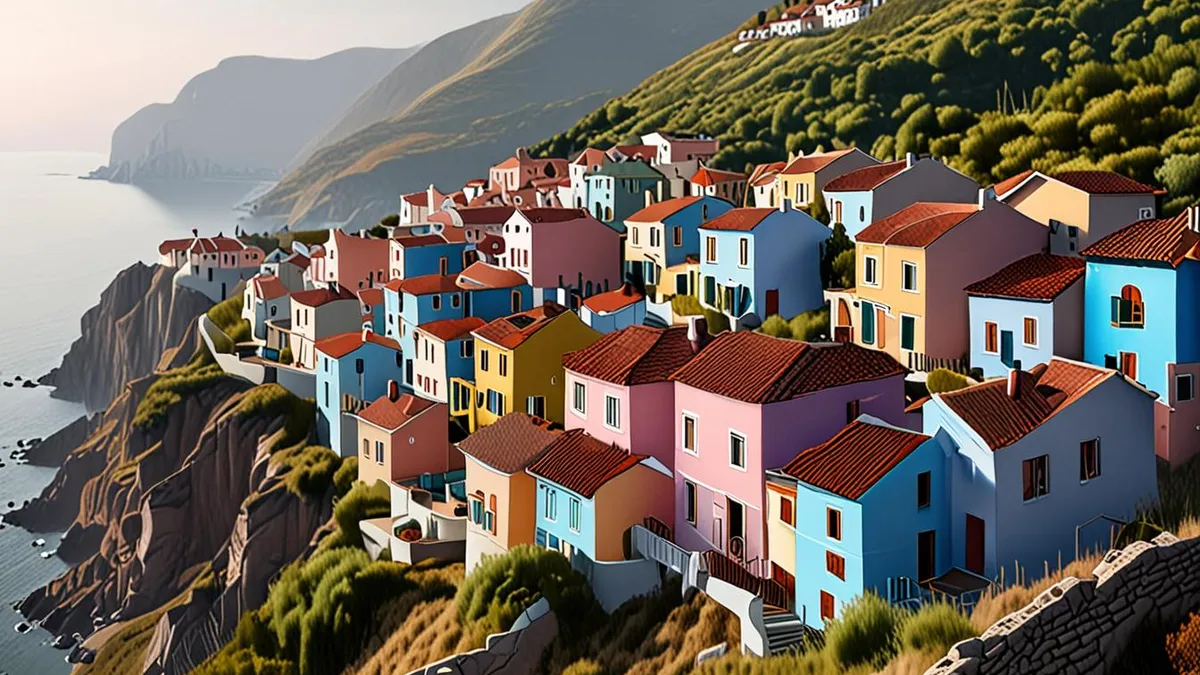
The single biggest decision for a crowd-free stay is your base village. The famous names draw the buses, but several neighboring villages offer the same sea views, lemon groves and cliffside charm at a fraction of the chaos. Praiano, just west of Positano, is the classic example: a calmer pace, gorgeous sunset views and a drive of roughly 20-40 minutes to the main hotspots when you want the buzz. It has its own small shops, a handful of seaside restaurants and a relaxed evening atmosphere, so you never feel cut off from the action. Because it sees far fewer day-trippers, the village keeps a local rhythm even at the height of the season, which makes it easy to settle into a routine of morning swims and slow dinners.
Head into the hills above Positano and you find Nerano and Montepertuso, where the feel is rural and quiet but the sea stays within easy reach. Ravello takes a different approach to escaping the crowds: at about 365 meters above sea level, it sits well above the SS163 and the coastal bustle, trading beach proximity for breezy elevation and gardens. On the Amalfi side, Atrani and Minori are small, walkable towns that most tour itineraries simply skip. Both make practical bases too, with regular transport links along the coast and enough cafes and small hotels to feel like real communities rather than stops on a route. Whichever village you choose, think about how you plan to spend your days: swimmers may prefer the coves near Praiano or Nerano, while hikers and garden lovers will be happier up in the hills.
- Praiano’s beaches, such as the small coves below the village, are far less packed than Positano’s main spiaggia, and you can often find a spot on the pebbles even in August.
- Nerano is the gateway to the Marina del Cantone waterfront and the trailhead for walks along the Sorrentine peninsula, so you get countryside calm with a swimmable bay nearby.
- Montepertuso sits high above Positano with hiking paths, including routes toward the famous hole-in-the-rock formation, and village trattorias where locals actually eat.
- Ravello’s elevation means cooler evenings in summer, a real bonus when coastal towns are sweltering, plus its own villa gardens and music tradition to explore.
- Atrani is connected to Amalfi by a short walk through a tunnel and along the seafront, letting you visit Amalfi’s sights on foot without ever parking a car or boarding a bus.
- Minori has a small harbor, a seafront promenade and a reputation for pastry shops, making it a pleasant low-key base with regular ferry connections.
When to Book: Seasons and Lead Times
Timing shapes both the crowds and the bill. The peak season runs June through August, when villa prices and visitor numbers hit their highest. The shoulder months of May, late September and October are the sweet spot: the sea is still warm enough for swimming, the weather is milder, and the villages feel noticeably calmer than in midsummer. October in particular can deliver swimsuit weather with empty walkways.
How Far Ahead to Book
Lead time depends on when you want to travel. For a summer villa, reserve 6-9 months ahead, especially if you want a private pool or a specific view, because the best properties in the quiet villages go first. Shoulder-season dates are more forgiving and can often be secured 2-3 months out, which also gives you a chance to watch for last-minute deals.
As for budget, expect peak-season nightly rates of roughly €250 in quieter villages like Praiano or Minori, climbing to €1,200 and above in Positano for the most desirable properties. The shoulder months typically drop those rates by 30-50%, which means the same villa that costs a fortune in July can be within reach in October. If flexibility is in your travel plans, shifting your dates by a few weeks is the easiest way to afford a better villa in a calmer village.
How to Spot a Genuinely Peaceful Villa
Not every villa listing that promises “seclusion” actually delivers it. The Amalfi Coast is a thin strip of land with one main artery, the SS163, and any property within earshot of that road will come with a soundtrack of buses and scooters, especially in July and August. Before you fall in love with photos, open the map and check how far the villa sits from the coast road. Hillside and stair-access properties are usually the quietest, but be honest with yourself about the climbs.
Amenities tell their own story. A villa with its own pool and a large private terrace is built for guests who plan to stay put; a property that shares a pool, garden or parking area with other units is really an apartment complex in disguise. The same logic applies to listings everywhere, from the Amalfi Coast to peaceful villa retreats with lake views, so it is a useful habit to build.
Reviews are your best filter. Search them for honest keywords before you book.
- Noise mentions: Look for words like “road,” “traffic,” “music” or “bells” in reviews. A single mention of tour groups stopping for photos outside the gate is a red flag for daytime disturbance.
- The stair count: Reviewers often state exactly how many steps lead to the entrance. Fifty steps with luggage is manageable; two hundred is a workout you should agree to in advance.
- Parking specifics: Many cliffside homes have no parking at all, and nearby garages can be limited. If you plan to rent a car, confirm the parking situation in writing before booking.
Getting Around Without a Car
You genuinely do not need a car on the Amalfi Coast, and in high season you are often better off without one. The SS163 between Positano and Amalfi becomes heavily congested in July and August, and a drive that looks short on the map can take far longer than expected. Ferries solve the problem elegantly, linking Positano, Amalfi, Minori and Salerno with sea-level views and no traffic at all. A boat ride also doubles as sightseeing, with the pastel villages stacked above you the whole way.
Buses for the hilltop villages
For places the ferries cannot reach, the local SITA buses connect hillside villages like Ravello and Nerano with Amalfi and the coast below. The catch is capacity: buses fill quickly on summer mornings and afternoons. Board as early in the day as you can, and expect to stand if you travel at peak times. Buy tickets in advance from a tabaccheria or newsstand, since drivers rarely sell them.
Going car-free from your villa
Many villas in Praiano and Montepertuso sit near the coast’s network of stairways and footpaths, which makes car-free days entirely realistic. From a Praiano base you can walk down to small beaches and coves on foot, and from Montepertuso you can follow paths toward Positano’s upper reaches. Ask your host which steps and trails connect to your village, and pack shoes with real grip. Check current ferry and bus schedules close to your travel dates, since timetables shift with the seasons.
Planning Days That Dodge the Day-Trippers
The secret to enjoying the Amalfi Coast in high season is simple: flip your schedule. Day-trippers arrive in Positano and Amalfi mid-morning and leave by late afternoon, so visit before 9 am or after 5 pm and you will see these towns at their best. The light is softer then, too, which makes early mornings and golden evenings the best hours for photos without strangers in every frame. That leaves midday free for exactly what a villa does better than any hotel: reading on your own terrace, swimming in your own pool, or wandering a quieter village while the crowds are elsewhere.
Your villa kitchen is also a scheduling tool. Restaurant queues are longest at breakfast and dinner in peak season, so cook in for those meals and save restaurant visits for lunch, when tables turn over faster. Shopping at a local market and eating on the terrace with a view beats waiting an hour for a table anyway.
A sample crowd-dodging day might look like this:
- Early start: Be in Positano by 8 am for coffee and photos while the streets belong to locals, then head back before the tour buses arrive.
- Midday reset: Swim and lunch at the villa during the hottest, busiest hours, then nap or read before your evening outing.
- Smaller coves: Choose beach time near Praiano or Nerano over the main Positano beaches; the water is just as clear and the space around your towel far more generous.
Wrapping Up Your Crowd-Free Amalfi Coast Villa Stay
A villa stay is the most reliable way to enjoy the Amalfi Coast without spending your days wedged between tour groups. Basing yourself in quieter villages like Praiano, Nerano, Ravello or Atrani puts you outside the heaviest crowds while keeping the coast’s famous views and beaches within easy reach.
Timing does the rest. Traveling in May, late September or October lowers both prices and visitor numbers, and booking 6-9 months ahead secures the best summer villas before they disappear. Once you’re there, using ferries instead of the congested SS163 turns travel days into part of the holiday rather than a traffic ordeal. If this helped you plan a calmer Amalfi Coast trip, leave a comment or share the article with a fellow traveler.