Choosing between all-inclusive vs self-catering resorts often comes down to a single nagging question: does paying one upfront price actually save money, or are you funding meals you’ll never eat? If you love the idea of grabbing cocktails and buffet dinners without checking your wallet, an all-inclusive looks tempting. But if you’d rather wander to a local taverna or cook with market ingredients, that bundled price starts to feel restrictive.
This guide breaks the decision into practical parts. We’ll look at what all-inclusive packages really cover, how the two stay types compare on cost, and what your daily routine looks like at each. Then we’ll match destinations to stay styles, share timing tips for getting the best price, and help you choose based on trip length and travel style. By the end, you’ll know which option fits your budget and how you actually like to spend a vacation.
What All-Inclusive Resorts Actually Include
At first glance, “all-inclusive” sounds like everything is covered, but the fine print matters. Standard packages typically include breakfast, lunch, dinner, snacks and local drinks. Where resorts draw the line is usually at premium alcohol, spa treatments and some à la carte restaurants, which often cost extra even for all-inclusive guests. If you’re picturing endless cocktails from the top shelf, check the drinks list before you book.
The bigger surprises tend to come from services you assumed were bundled. Airport transfers, kids’ clubs and non-motorized water sports are included at some resorts and billed separately at others. Since these extras can add up quickly, confirm exactly what’s covered before comparing prices between resorts. A cheaper headline rate can lose its appeal once you add paid transfers and a daily fee for the kids’ club.
Watch the opening hours
Another detail travelers often miss: some resorts limit all-inclusive perks to set restaurant hours. If you plan long day trips and regularly return after the lunch service closes, you may find yourself paying for meals you’ve already funded through your package. Ask about meal times and snack availability before committing, especially if your itinerary will keep you off the grounds for full days.
How Costs Compare Between the Two Stay Types
All-inclusive rates typically run 20-40% above room-only prices at the same resort. That premium buys you certainty: your accommodation and meals are locked in before you leave home, so your main variable cost on site is souvenirs, excursions and any extras you add along the way. For travelers who dread tallying up dinner bills on vacation or arguing over who ordered what, that predictability is worth real money. It also makes comparing resorts much simpler, since the headline price reflects almost everything you’ll actually spend.
Self-catering works differently. You pay for your accommodation upfront, then cover food as you go. Guests typically spend 30-50 euros per person per day on groceries and meals, which can work out far less than an all-inclusive premium if you shop sensibly and eat simply. Stocking up at a local supermarket, making breakfast in the apartment and packing picnic lunches keeps costs down nicely. The catch is eating out: resort-area restaurants can charge 15-25 euros per main dish, so a family that dines out every night can quickly match the cost of a package.
A few practical factors tip the balance one way or the other:
- Appetite and drinking habits: heavy eaters and drinkers usually extract the most value from an all-inclusive, since unlimited meals and local drinks offset the higher rate.
- Meal style: light breakfasts, picnic lunches and the occasional restaurant dinner favor self-catering, because you’re not prepaying for large buffets you skip.
- How much you eat out: one or two restaurant meals a week is a pleasant treat on a self-catering budget; dining out nightly erodes the savings fast.
- Trip length: grocery costs spread out over longer stays, so self-catering tends to look better the longer you travel, while short breaks favor the simplicity of a package.
Whichever route you choose, do the honest math for your own family rather than relying on the sticker price alone. Count your real eating habits, factor in the extras each option charges for, and the better value usually becomes obvious.
Flexibility and Daily Routine at Each Stay Type
The biggest difference between the two stay types isn’t on the bill — it’s how your days actually unfold. All-inclusive guests tend to stay on site. Meals happen at fixed times, evening entertainment is laid on at the resort’s bars and stages, and with food and drinks already paid for, there’s little reason to leave the grounds. For some travelers that’s the whole point; for others it starts to feel like a gilded cage by day three.
The self-catering rhythm
Self-catering suits travelers who want their vacation to run on their own schedule. You can browse a local market in the morning, head out on a day trip without watching the clock, and cook a simple dinner whenever you get back. There’s more planning involved — shopping, cooking, washing up — but you also eat what you want, when you want, and spend more time in the destination rather than inside the resort.
Why families lean all-inclusive
Families with young children often prefer the predictability of all-inclusive buffets and on-site pools. Kids can eat familiar foods at known times, nap breaks don’t clash with restaurant reservations, and there’s always something to do a short walk from the room. When a toddler’s routine rules the day, having meals and entertainment steps away removes a lot of friction.
Which Destinations Suit All-Inclusive vs Self-Catering Resorts
The destination you pick often decides the stay type for you before you even look at prices. Some places are built around the resort itself, while others reward travelers who spend most of their day outside it.
Beach and warm-water destinations strongly favor all-inclusive. When the main draw is the pool, the swim-up bar and the stretch of sand outside your room, you rarely leave the grounds, so paying upfront for meals and drinks makes sense. Many Mediterranean and Caribbean resorts sit far from towns and restaurants, which makes on-site dining the practical option anyway.
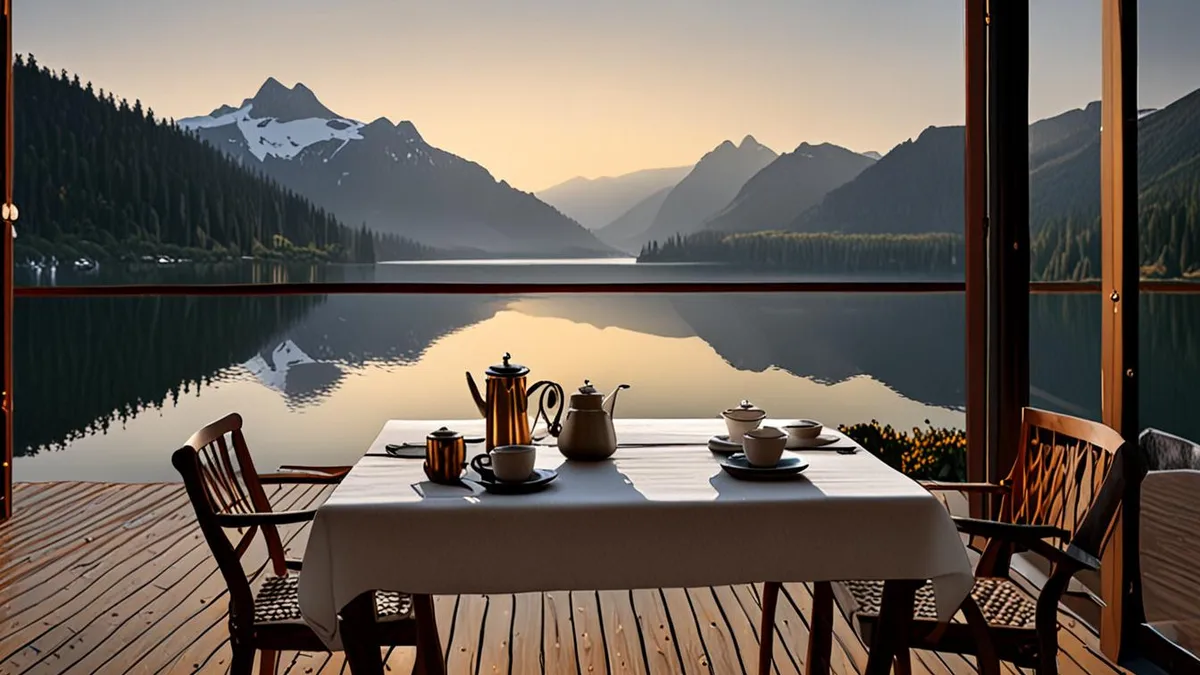
Mountain, lake and island destinations lean the other way. The appeal there is hiking trails, sightseeing villages and local food you want to seek out, not a buffet queue. A kitchen lets you keep costs down while you spend your days exploring. If you are weighing a mountain trip, our guide to Slovenian Alps resorts for mountain trips shows how self-catering apartment setups work in practice.
Winter ski trips also work well self-catered. Apartment resorts near the lifts let you cook a quick breakfast before first tracks and eat out after the slopes, when restaurants are at their liveliest.
- Resort remoteness matters: some beach resorts are 30 minutes or more from the nearest town, so leaving for dinner means taxis both ways, which erodes any self-catering savings.
- Local food scenes: regions known for markets, tavernas and mountain huts reward travelers with a kitchen, since eating out is part of the experience rather than a cost to avoid.
- Ski-specific perks: apartment resorts near lifts often include boot rooms and drying racks, practical details hotels with half-board sometimes handle less conveniently.
When to Book and How to Get the Best Price
Timing your booking matters almost as much as choosing the stay type itself. The same resort, in the same room category, can vary widely in price depending on when you commit, and a few simple habits can cut your total noticeably without sacrificing much. The good news is that none of these habits take more than an hour or two of planning, and they apply equally whether you lean all-inclusive or self-catering.
- Book 2-4 months ahead for summer travel. Early-bird package rates are usually the best you will find for either stay type. Waiting until June or July for a July or August trip rarely pays off, as operators release their cheapest room allocations first and the remaining inventory tends to carry higher prices and less choice.
- Shift to shoulder season if your dates are flexible. Traveling in May-June or September-October can cut package prices by roughly 20-30% at the same resort. You also get shorter queues at the pool bar, milder weather for excursions and a calmer atmosphere overall, which many families actually prefer.
- Price the true all-inclusive total. Add up the advertised rate plus likely extras such as premium drinks, spa visits or à la carte dinners, then compare that figure against the room rate plus a realistic food budget for your family. A cheap-looking room-only rate can lose its appeal once real meal costs are included, especially in resort areas.
- Check what the package actually bundles. Two resorts advertising the same board basis can include very different things, so compare inclusions line by line rather than headline prices alone.
A small amount of comparison work here pays for itself quickly. Run the numbers for both stay types at two or three resorts before you commit, keep screenshots of the quotes you find so you can spot a genuine deal, and you will know exactly which option genuinely costs less for the way you travel.
Choosing Between All-Inclusive and Self-Catering Resorts
Once you understand what each stay type includes, how the costs compare and which destinations suit each, the decision usually comes down to your travel style. Start there, then hunt for the best price within the category you have chosen.
Pick all-inclusive for short beach breaks of 5-7 nights where you want a predictable budget and minimal planning. One payment covers the trip, nobody argues about restaurant bills, and you can switch off from the moment you land. It suits travelers who see a holiday as rest rather than a project.
Pick self-catering for stays of 7 nights or longer, active itineraries and destinations worth exploring beyond the resort. A kitchen pays for itself over a week or more, and the freedom to eat when and where you like matters far more on a two-week trip than on a five-night getaway.
- Group composition: large groups or two families sharing an apartment often find self-catering dramatically cheaper per person, since grocery costs split easily across a big kitchen.
- Dietary needs: travelers with allergies or specific diets may find self-catering safer and less stressful than relying on buffet labels and set menus.
- Energy levels: if your ideal day ends exhausted after hiking or sightseeing, cooking may feel like a chore; if your ideal day is slow, a market trip and home cooking can be a highlight.
Match the stay type to your travel style first, then compare prices within that category. Comparing an all-inclusive rate against a self-catering rate across different resorts rarely tells you anything useful, because the two products are simply not the same holiday.
Final Thoughts on Picking Your Resort Style
So which one actually costs less? There is no single answer, because the math depends on how you travel. All-inclusive trades flexibility for certainty: you pay a fixed, upfront price, typically 20-40% more than room-only, and never worry about a food bill again. Self-catering costs less on paper, with groceries around 30-50 euros per person per day, but it asks more of you in planning and shopping.
The honest way to decide is to look at your trip, not the price tag. A short beach break where you plan to stay put points toward all-inclusive; a longer stay in a destination worth exploring points toward self-catering. Match the style to your travel habits first, then compare prices within it. If this helped you weigh the two, leave a comment or share the article with a fellow traveler.