You’ve found the resort: the infinity pool, the lakefront spa, the half-board dinners you can already picture. Then you check prices for July and the dream collapses. Peak-season rates push many travelers out of resorts they would happily pay for, and most people assume the only alternative is a cheaper, lower-quality property.
Here’s what many travelers miss: you can often book resort holidays cheaply without giving up anything that matters. Traveling in shoulder season, roughly April to mid-June and September to October, typically cuts resort rates by 20-40% compared with July-August prices, while the pools, spas and restaurants run at full capacity. This guide walks through why shoulder season is so affordable, exactly when to book for the lowest rates, which destinations keep their resorts fully open, how flexible dates and stay lengths cut costs further, whether to book direct or take a package deal, and what trade-offs and wins to expect once you arrive.
Why Shoulder Season Is the Cheapest Time to Book Resort Holidays
Shoulder season is the stretch on either side of the summer peak, the months when schools are back in session and family travel has dried up, and it is when resort pricing quietly drops to its most reasonable levels of the year. Rates in these windows typically run 20-40% below July-August peak prices, often for the identical room, view and bed you would have paid a small fortune for six weeks earlier.
The reason is simple supply and demand. July and August fill resorts with families locked into school holidays, so managers have no reason to discount. Once those guests go home, occupancy thins out, and resorts drop prices to keep rooms filled. That creates genuine negotiation room: fewer guests mean resorts discount rooms to maintain occupancy, and a polite email or phone call asking about unpublished rates can go further in May than it ever would in August.
The facilities don’t disappear
There’s a common fear that shoulder season means a half-shut hotel with a drained pool. In most resort regions, the opposite is true. Unlike the reduced-service winter months, resorts still operate full facilities in shoulder season: pools are open, spas run their schedules, and main restaurants serve their full menus. You’re getting the peak-season product at a shoulder-season price.
The beach still works in September
If your holiday lives or dies by swimming, the Mediterranean barely notices the calendar. September sea temperatures in Mediterranean resorts stay around 22-25°C, warm enough for long swims and comfortable beach days. Add smaller crowds on the sand and you may find early September beats August in every way except the price tag, which is exactly the point.
When to Book: Timing Your Reservation for the Lowest Rates
Shoulder season rates are low, but they aren’t identical across the calendar, and when you book matters almost as much as when you travel. Resorts adjust their pricing in stages: early on, rooms are often still listed at high-season levels; in the final weeks, the best room types may already be gone. Somewhere between those two points sits the window where patient travelers get both a discount and a genuine choice of rooms. The trick is knowing which stage of the cycle you’re in, then acting at the right moment rather than either jumping too soon or waiting too long. Follow these steps to time your reservation properly.
- Start watching prices 3-6 months before travel. Set price alerts on comparison sites and on the resort’s own booking page at this stage. This window is when rate drops of 15-25% most often appear, and having alerts running means you’ll see them rather than missing them.
- Book 2-4 months ahead. This is the sweet spot for shoulder season. Resorts know their occupancy picture by then and have adjusted rates downward, but good rooms and family configurations haven’t yet been picked over. Booking in this window gives you the best balance of availability and discounted rates.
- Target a midweek check-in. Arriving Tuesday to Thursday can be 10-15% cheaper than weekend arrivals, because resorts price weekend nights for short-break travelers. A Tuesday-to-Tuesday stay also spreads your nights across cheaper midweek rates on both ends.
- Resist booking very early. Reserving 6 or more months out often works against you in shoulder season, since rates are frequently still set at high-season levels and haven’t been adjusted down yet. Wait for the discounts instead of locking in a peak price.
The pattern to remember is that shoulder season pricing rewards patience up to a point. Watch early, commit a few months out, and let the calendar, not the brochure, set your arrival day. If you miss the ideal window and rates look high, don’t give up: shifting your dates by a few days or shortening the stay can bring the total back in line. And once you’ve booked, check the rate once or twice before departure — some comparison sites and resorts will honor a lower price if it appears after you’ve reserved, so a quick recheck can still pay off.
Choosing Shoulder Season Destinations Where Resorts Stay Open
Shoulder season savings only work if the resort is actually open and running at full service, so destination choice matters as much as timing. A discounted rate is no bargain if half the facilities are shuttered or the property has closed for the season entirely. The good news is that several European resort regions are at their best precisely in these quieter months, offering full facilities without the peak-season crowds or prices.
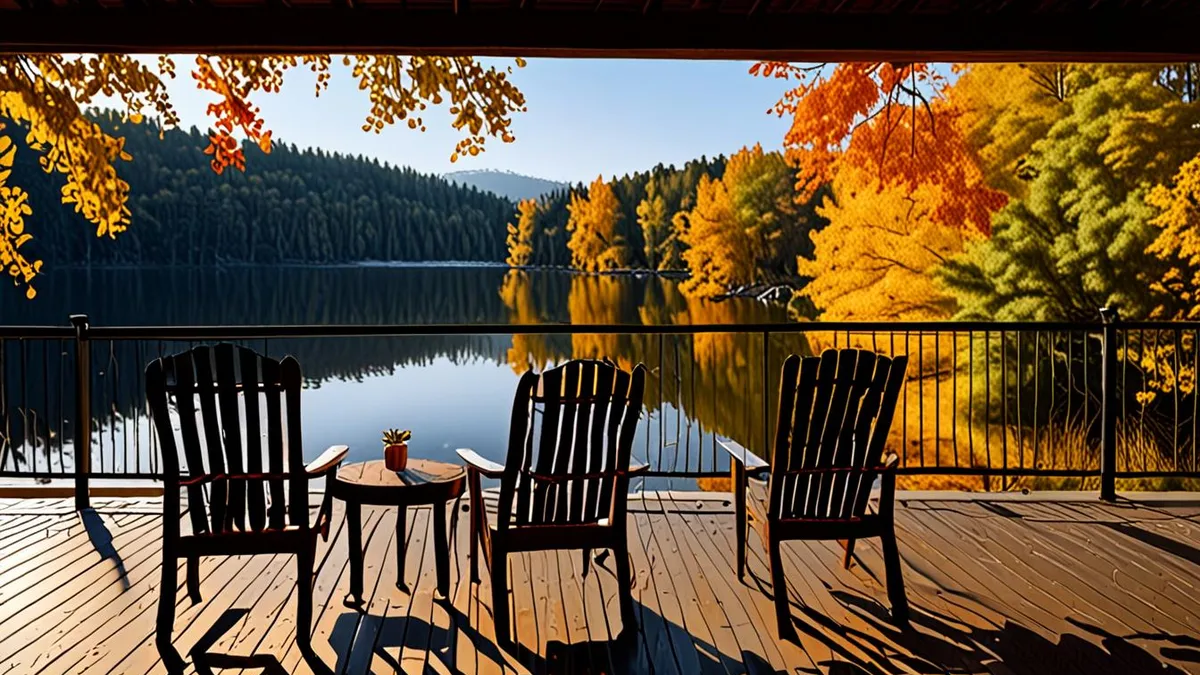
Lake destinations are a particularly strong pick. Resorts around Bled, Hallstatt and Lake Geneva typically offer full service from late April, and the scenery is arguably better without the summer congestion: calm water, clear views across the lake, and walking trails you can actually enjoy rather than fight your way along. Mornings tend to be misty and atmospheric, and you can usually find a quiet spot on the shoreline even in the middle of the day. If a lakeside escape appeals, our guide to Lake Bled resorts for scenic escapes covers what to expect from the region’s properties.
- Mediterranean islands for late-season swimming. Islands like Gozo keep their resorts open through October, and the surrounding sea stays warm enough for comfortable swimming well after mainland beaches empty out. You get the island-resort experience without August’s crowds or rates.
- Alpine regions with inter-season lulls. Areas such as the Slovenian Alps and Bansko sit between their winter ski season and summer peak, and the summer shoulder weeks within that lull are when resort prices dip lowest. Hiking weather is usually at its best in these weeks too.
- Always verify opening dates before booking. Resort calendars vary more than travelers expect, and some smaller properties close entirely in November and March. Check the resort’s own website for exact opening dates rather than assuming a region-wide season, and confirm that pools, spas and restaurants run their full schedules during your dates.
Flexible Dates and Stay Lengths That Cut Resort Costs
Resort pricing works in sharp steps, not gentle slopes. The moment you cross from peak dates into shoulder season, rates can drop noticeably, and the calendar edge sits closer than most people think. Shifting your trip by even a single week can move you from peak pricing into shoulder rates, especially in early June or late September, when resorts are desperate to fill rooms before or after the school-holiday rush.
Stay length matters just as much as dates. Resorts would rather have one guest for ten nights than three guests for three nights each, because turnover costs them housekeeping time, check-in admin and marketing effort. Longer stays of 7 or more nights often unlock percentage discounts that short breaks never see, and some resorts quietly apply them at booking without advertising the deal.
Food packages also flip in value outside peak season. Half-board packages in shoulder season can cost less than room-only rates at peak, which means you may end up eating breakfast and dinner at the resort for less than you would have paid just to sleep there in August. If you are flexible on dates, keep these tactics in mind:
- Target the first week of the shoulder window. Traveling in early April or early September usually beats the tail end on price, since resorts are still building occupancy after the quiet spell.
- Check two neighboring weeks side by side. Comparing the total for each week, rather than a single night, reveals where the rate step actually falls.
- Ask about a 10-night rate even if you plan 7. Some resorts will extend a discount tier if you nudge your stay over a threshold.
- Watch school holiday calendars in your home country and neighboring ones. Rates often spike the week local schools break up, so booking just before that date saves money.
Booking Direct vs Package Deals for Cheaper Resort Stays
Once you have found a shoulder season resort you like, the next decision is where to actually book it. Booking direct with the resort often unlocks perks that online travel agency rates exclude, such as a free room upgrade when availability allows, late checkout, or a welcome drink and spa credit. Resorts can offer these extras because they are not paying commission on your booking, and front desk teams have discretion to use them as goodwill.
That said, direct booking is not automatically the cheapest route. Package deals that bundle flights and resort stays can beat direct pricing by 10-20% in shoulder season, because tour operators buy room blocks in bulk and pass part of the saving on. If you are flying to your destination anyway, it pays to price both options before committing.
Compare the total, not the headline
Whichever route you choose, compare the total cost including transfers. Remote lake and mountain resorts often sit far from airports, and a private transfer can add a significant fee that wipes out an apparent saving. Package deals sometimes include shared transfers, which can tip the math in their favor even when the room rate looks higher.
Ask directly for a better deal
In shoulder season, resorts have empty rooms and quiet inboxes, which gives you real negotiating power. Email the resort directly, mention your flexible dates and intended stay length, and ask about unpublished rates or extended-stay offers. The worst outcome is a polite no; the best is a rate that never appears on any booking site. Always get the agreed price confirmed in writing before you pay any deposit, and check the cancellation terms carefully, since direct deals sometimes carry stricter conditions than standard rates.
What to Expect From Shoulder Season Resorts: Trade-offs and Wins
Shoulder season resort holidays come with a different rhythm than peak summer, and knowing what to expect helps you pack and plan properly. In southern Europe you can typically expect 6-8 hours of usable daily sunshine, which is plenty for pool time, beach walks and terrace lunches. The catch is the temperature swing: evenings cool down quickly once the sun drops, so pack layers, a light jacket and something warm for dinners outdoors.
Services inside the resort can also run on a lighter schedule. Some restaurants or kids’ clubs may operate reduced hours or close on certain days outside July and August, so check the resort’s seasonal program before you go, especially if you are traveling with children who depend on the club each morning.
The upside is hard to overstate. Spas, pools and waterfronts are far quieter, often with no queue at all, and you can enjoy facilities that feel like a private club in August. The milder weather also suits hiking and sightseeing far better than peak-season heat, when midday exploring can be exhausting.
- Book spa treatments and specialty restaurant dinners on arrival day. With fewer guests, treatment slots and prime tables are usually easy to get, but popular therapists may only visit on set days in low season.
- Confirm which pools stay heated. Some outdoor pools close or go unheated in shoulder months, while indoor pools become the main swimming option.
- Plan excursions for midday. With cooler air and softer light, boat trips, ruins visits and long walks are more comfortable than in August, when shade is the only strategy.
- Bring a compact rain layer. Shoulder season can bring the occasional gray day, and a light shell keeps a shower from derailing your plans.
Final Thoughts on Booking Resort Holidays Cheaply
If summer resort prices have priced you out, shoulder season is the answer you may not have considered. The same resorts, with the same pools, spas and waterfronts, typically charge noticeably less outside the July and August peak than they do at the height of summer. You get the peak-season experience without the peak-season bill, and you share the facilities with a fraction of the crowd.
The formula is simple: book a couple of months ahead of travel, keep an eye on rates so you catch dips, and aim for a midweek arrival to lock in the lowest prices. Pick destinations where resorts stay fully open, whether that is a lake, an island or an alpine region, and your trip will feel seamless from start to finish.
One last tip: check the resort’s own website for exact opening dates before you commit, as smaller properties sometimes scale back or close in quieter months. If you have a favorite shoulder season resort or a money-saving trick of your own, share it in the comments below.