You booked the beach resort of your dreams, pictured yourself paddling a kayak at sunrise and snorkeling off the sand, and then the final bill arrives with jet ski and diving charges you never budgeted for. It is one of the most common surprises in resort travel, and it happens because “water sports included” rarely means everything with a motor or a tank attached.
This guide breaks down resort water sports into what is genuinely free, what almost always costs extra, and how all-inclusive packages handle the difference. We will also compare guided excursions with on-site gear, share practical tips for budgeting and booking ahead, and explain how to pick a resort based on its water sports setup. By the end, you will know exactly where your money goes and how to avoid surprise charges at checkout.
What Resort Water Sports Are Usually Included Free
At most beach resorts, the free water sports kit follows a pretty predictable pattern. Expect kayaks, paddleboards, pedal boats and snorkel gear to be available at no charge, usually from a watersports hut or beach shack near the main swimming area. You sign out the gear, sometimes leaving a room number or deposit, and paddle off whenever you like during opening hours.
A step up from that standard kit, Hobie cat sailing and windsurf boards are often free as well. The catch is that many resorts require a short mandatory lesson before your first sail, especially for catamarans, since capsizing a Hobie cat is easier than it looks. That lesson is usually quick, friendly and included, but ask about it when you check in so you are not caught off guard.
What “free” really covers
Pools, lagoon access and life jackets are always included, no matter which resort you choose. In practice, free usually means non-motorised, on-site gear only: anything with an engine, a tow rope or a scuba tank moves into paid territory. Also note that free gear is typically first come, first served, so popular paddleboards can be claimed early in the morning, particularly in high season.
Water Sports That Almost Always Cost Extra
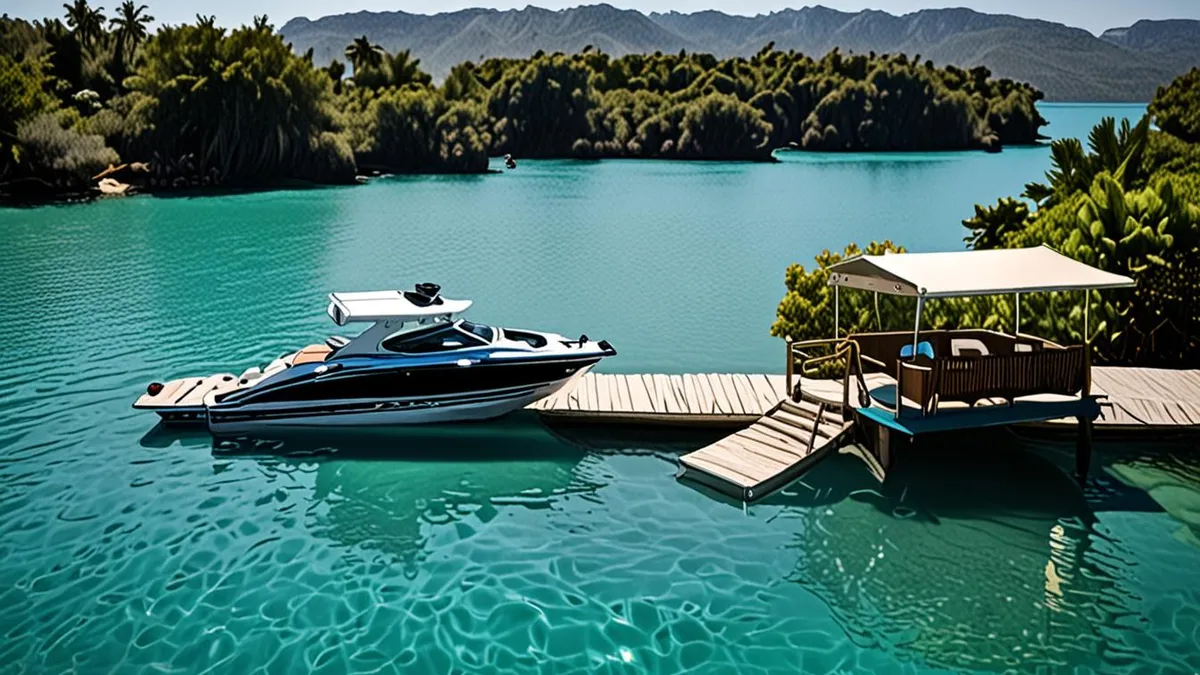
The moment an activity involves an engine or a tow rope, it moves into paid territory. Jet skis, water skiing and wakeboarding are the classic examples, and resorts typically charge $50-$150 per session of roughly 30-60 minutes. Prices vary with the destination, the duration and whether a guide rides along with you. Expect to sign a waiver before your first session, and ask whether the price covers fuel, gear and instruction or whether each is billed separately.
Scuba diving is in a category of its own because it involves tanks, weights and, ideally, certified instructors. A single tank dive typically runs $60-$120, while a full certification course starts from $350-$500. If you have never dived before, many resort dive centers offer introductory pool sessions that let you try the experience without committing to a full course. These taster sessions are a smart way to find out whether diving is for you before spending hundreds on certification.
- Parasailing: a flight of 10-15 minutes generally costs $75-$150 per person, and many operators charge extra for a companion riding in the boat but not flying.
- Water skiing and wakeboarding: the boat, fuel and driver are built into the session price, but some resorts bill separately for extra sets or beginner instruction.
- Jet ski rentals: operators often require a deposit and may restrict you to a marked circuit, with surcharges if you want a longer route or a second rider.
A good rule of thumb: if it burns fuel or needs a boat crew, budget for it separately rather than assuming it is part of your room rate. Ask for the resort’s current water sports price list when you book, since rates can change from one season to the next.
How All-Inclusive Packages Treat Water Sports
Most all-inclusive plans cover the non-motorised side of the watersports menu: the standard free kit at beach resorts is almost always part of your rate. What they rarely cover are motorised toys, diving and spa-adjacent activities, which stay on a separate bill even when your drinks and meals are unlimited. If you want a deeper look at how these plans work overall, our guide to all-inclusive versus self-catering resorts compares the two models in detail.
Premium tiers and what they add
Some resorts sell premium package tiers that sweeten the deal with one free dive or a jet ski credit. These extras can be genuinely good value if you plan to use them, so compare package levels before booking rather than defaulting to the cheapest option. Ask specifically which activities are included at each tier and get it in writing on your confirmation. It also helps to check whether the free session covers instruction or just the equipment rental itself.
Watch the word “unlimited”
“Unlimited” is the word that causes the most confusion. At some resorts it means unlimited use all day, while at others it means unlimited rental time per day, with caps on how long you can hold a boat or board per session. Ask the watersports desk how the system works on arrival, because the difference shapes how you plan your days on the water. A quick question at check-in can save you from an unexpected charge slip at checkout.
Excursions vs On-Site Activities: What the Price Difference Buys
When you pick up a kayak at the resort’s water sports hut, you get gear but no guidance. That is the core difference between on-site activities and excursions: the free paddleboard is yours to use however you like, while a guided trip bundles transport, a guide, equipment and often food or drinks into one price.
Guided boat trips, such as snorkel cruises or sunset sails, typically run $40-$100 per person, and they are never part of the basic resort rate. What you are paying for is the boat ride itself, a crew or guide who knows the area, and the logistics of getting to spots you cannot paddle to from the beach. Many snorkel cruises include lunch, snacks or an open bar, which softens the per-person cost if you would have spent on food anyway.
What the extra money actually buys
Think of it this way: on-site gear suits confident swimmers who are happy exploring a house reef or lagoon on their own. Excursions suit travelers who want to reach offshore reefs, see specific marine life, or simply relax while someone else handles the boat and the timing. A guide also adds safety and local knowledge, pointing out turtles or coral formations you would likely paddle past unnoticed.
One practical tip: the hotel’s excursion desk is rarely the cheapest option. Independent operators based near the resort often charge 20-40% less for the same trip to the same reef. Compare a few offers before booking, and check reviews to make sure the lower price does not come with an overcrowded boat or skimped-on equipment.
How to Budget and Book Resort Water Sports
Water sports costs can sneak up on you fast, especially on a two-week trip where the family tries something new every few days. A little planning before you fly turns vague worries into a realistic daily budget, and it usually takes no more than an hour of emails. Here is how to approach it.
- Get a price list before you arrive. Email the resort and ask for their current water sports price list. Rates change from year to year, and having real numbers lets you decide in advance which activities fit your budget instead of deciding on the beach under a sales pitch. Ask specifically what is included in your room rate or package, since the free gear list varies more between resorts than most travelers expect.
- Book the big-ticket items early. Dive courses and popular excursions fill up fastest in high season, so reserve them 1-2 weeks ahead of your arrival. Walk-up slots are possible in low season, but you should not count on them when the resort is busy. This matters most for certification courses, which need several consecutive days and a limited instructor-to-student ratio.
- Look for bundle deals. Multi-dive packages and multi-session jet ski deals often cut the per-session price by 10-20%. If you already know you will dive five times or ride the jet ski three afternoons, ask for the package rate on day one rather than paying session by session.
- Spread paid activities across your stay. Rather than stacking everything into two days, mix free gear days with one paid activity here and there. It keeps the budget steady, gives the kids something to look forward to, and leaves room for a spontaneous sunset cruise if the weather turns perfect.
Once you have the price list in hand, set a rough ceiling per day for paid activities and track what you book as you go. Most resorts charge to your room, so small charges accumulate quietly until checkout. A simple note on your phone avoids that end-of-trip surprise and lets you enjoy the water without doing mental math between swims.
Choosing a Resort Based on Its Water Sports Setup
Not every beach resort is built around the same water sports experience, and the destination itself often tells you what to prioritize. In places like the Maldives and Seychelles, the whole holiday centers on the house reef and the lagoon right in front of your villa. There, the quality of on-site gear matters far more than a long menu of activities, because you will spend most of your water time steps from your room rather than on scheduled excursions.
Match the water to the activity
The shape of the water matters as much as the equipment list. Flat, shallow lagoons are ideal for kayaking and paddleboarding, especially for beginners or families with kids. Reef drop-offs, on the other hand, are where snorkelling and diving shine, since the coral and fish concentrate along the edge. If you are a keen snorkeler, a resort with a deep house reef beats one with a long activity list but murky, shallow water.
Who runs the dive center?
Before booking, check whether the resort operates its own dive center or outsources to an independent operator. This detail affects both price and availability: an in-house center is usually easier to schedule with, while an outsourced operator may have different rates and limited slots during busy weeks. Ask in advance, and if you are still weighing destinations, it can help to compare how similar islands stack up, as in this Seychelles and Zanzibar resort comparison.
The Bottom Line on Resort Water Sports Costs
So what happened to that end-of-stay bill? The kayak, paddleboard and snorkel gear you used were almost certainly free, but the jet ski session, the dive and the sunset cruise each added $50-$150 to your folio. That is the pattern at most beach resorts: non-motorised gear comes with the room, while anything motorised, towed or guided is a separate charge.
All-inclusive plans rarely cover the paid extras, so budget separately for diving and boat trips rather than assuming your package has you covered. The simplest fix is to compare package levels and ask for the resort’s current water sports price list before you book, so you know exactly what is included and what is not. If this helped you plan your trip, leave a comment or share the article with a fellow traveler.