Planning a trip to Costa Rica and seeing the words “all-inclusive” on a lodge listing can be confusing. In the Caribbean or Mexico, that phrase usually means a big resort with swim-up bars and endless buffets. In Costa Rica, an all-inclusive lodge in Costa Rica often means something different: a smaller, nature-focused property where meals, drinks and guided activities are bundled into one rate. The catch is that every lodge defines the package a little differently, and travelers frequently worry about paying for services they will never use.
This guide breaks down exactly what these packages cover, where the main lodge regions are, and which season offers the best value. You will also find realistic cost ranges, booking timelines and transfer planning tips, plus an honest look at who these lodges suit best. By the end, you will know whether an all-inclusive stay matches your travel style or whether another approach fits you better.
What an All-Inclusive Lodge in Costa Rica Actually Includes
At most Costa Rican lodges, the all-inclusive rate is built around food and drink. You can expect three meals a day, plus snacks between meals and a range of local drinks such as fresh juices, Costa Rican coffee, beer and house cocktails. The dining style is usually sit-down or family-style rather than a sprawling buffet, and menus often change daily to showcase local ingredients. If you have dietary needs, mention them when booking; kitchens at smaller lodges are generally happy to adapt, but they need advance notice.
What surprises many first-time guests is how much activity is bundled in. Most packages include one or two guided experiences per day, which is where these lodges differ most from beach resorts. A typical day might pair a morning rainforest hike with an afternoon kayaking session, or a coffee tour with a sunset walk on the property’s trails. Guides are usually resident naturalists who know the property’s trails and wildlife well, so it pays to ask questions and let them know which animals you hope to see.
- Premium drinks: Top-shelf wines, imported spirits and specialty cocktails frequently appear on a separate menu with an extra charge, so ask for the included drinks list at check-in.
- Guided activities: The 1-2 daily activities are usually led by resident naturalist guides, and small-group sizes mean you should sign up for popular options the night before.
- Airport transfers: Pickups from San José or Liberia are almost always quoted separately, and road transfers typically run 2-5 hours depending on the lodge’s region.
- Spa treatments: Massages and wellness services are billed as add-ons, though some lodges offer a credit or discount for package guests.
- Off-site excursions: Full-day trips such as ziplining parks, national park visits or boat tours are usually booked through the lodge at an additional cost.
Where All-Inclusive Lodges Are Located
Costa Rica is a small country, but its lodge regions feel completely different from one another, so your choice of location shapes the entire trip. Picking the wrong region is the most common mistake travelers make, because a lodge built for beach lovers will frustrate a rainforest hiker and vice versa.
Beach and sun regions
Guanacaste, in the country’s northwest, is the best match for travelers who want pool time and beach walks with their nature activities. The region has a noticeably drier climate than the rest of the country, and Liberia’s international airport sits nearby, which keeps road transfers on the shorter end of the typical 2-5 hour range. Manuel Antonio, on the central Pacific coast, combines sandy beaches with easy access to its famous national park, making it a good middle ground.
Rainforest and volcano regions
Arenal and La Fortuna, in the northern lowlands, center their lodges around volcano views, natural hot springs and networks of rainforest trails. Days here revolve around guided hikes and evening soaks rather than beach time. For the wildest and most immersive experience, the remote Osa Peninsula is hard to beat, but that isolation comes with the highest price tags in the country. If you are comparing lodge styles across destinations, it can help to read how other regions approach the format, such as ski lodges in Europe for winter travelers, where location and season similarly define the experience.
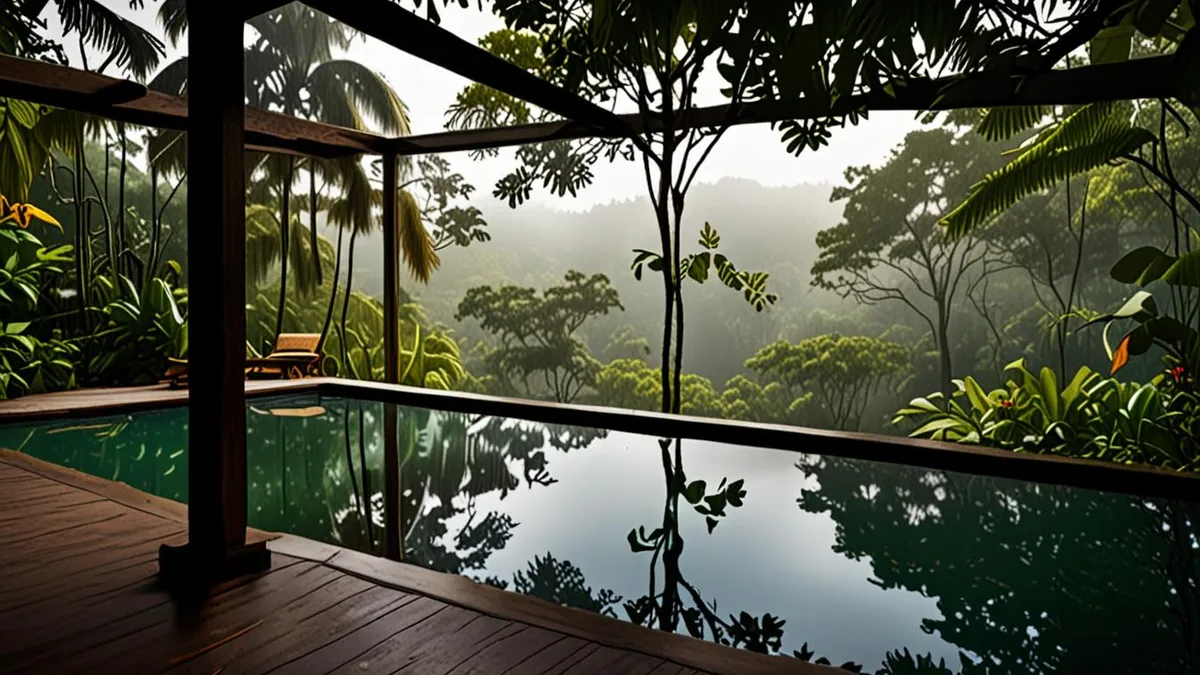
Best Season to Book an All-Inclusive Lodge in Costa Rica
Costa Rica has two broad seasons, and they affect everything from lodge rates to trail conditions. The dry season runs from December to April, bringing sunny days, the year’s highest prices and the busiest national parks. If you book a dry season stay, expect to share viewpoints and park entrances with plenty of other travelers, and reserve well in advance.
The green season trade-off
From May to November, afternoon showers become part of the daily rhythm. Mornings are often clear and ideal for guided hikes, with rain arriving in the afternoon. Rates drop noticeably, the landscape turns intensely green, and lodges feel quieter. Wildlife viewing can be excellent during these months, though trails may be muddy and some activities shift around the weather.
When to be cautious
September and October are the wettest months on the Pacific side, and this is where green season bookings need extra research. Some lodges reduce services during this stretch, cutting back on restaurant hours, activity schedules or even closing entirely for renovations. Before committing to a late green season trip, contact the lodge directly and confirm exactly which meals, activities and facilities will be operating during your dates.
What a Stay Typically Costs
All-inclusive lodges in Costa Rica are a premium product, and the pricing reflects that. Most travelers should expect to pay somewhere between $250 and $600 per person per night. The exact number depends on where the lodge sits, when you travel, and how upscale the property is. A comfortable mid-range lodge in Arenal or Guanacaste will land at the lower end of that range, while a remote luxury property on the Osa Peninsula can easily reach the top of it or beyond.
Timing makes a real difference to your budget. During green season, which runs from May to November, rates can drop 20-40% below what the same lodge charges in dry season. That means a lodge quoting $400 per person per night in February might come in closer to $250-300 in September. If your dates are flexible, the savings can fund several extra excursions or spa treatments.
Before you book, be honest with yourself about what the package does not cover. These are the extras that most often surprise guests on their final bill:
- Gratuities: Tips for guides, drivers and lodge staff are rarely included in the package rate, and at remote properties where staff rely heavily on them, guests often budget a daily amount per person.
- Spa services: Massages and treatments are almost always billed separately, and lodge spas tend to price at resort levels rather than local spa levels.
- Full-day off-site excursions: The included activities are typically half-day experiences on or near the property; longer trips such as a full day of whitewater rafting or a distant national park visit usually cost extra.
- Airport transfers: Unless your package explicitly states otherwise, assume private shuttles or domestic flights are billed separately.
A practical rule of thumb: set aside roughly 15-20% of your lodge budget for these add-ons. That buffer keeps the trip enjoyable instead of making you hesitate every time you want a guided outing beyond the daily included activity.
How to Book and Plan Your Stay
Booking a Costa Rica lodge stay is straightforward, but the order of operations matters. Because most lodges are small properties with a limited number of rooms, popular dates sell out well before large hotels do. Work through the steps below and you will avoid the most common planning mistakes.
- Choose your dates and season first. Dry season dates (December through April) require booking 3-6 months ahead to get your preferred lodge and room type. In green season, 1-2 months of lead time is often enough, and you may even find last-minute availability.
- Confirm the minimum stay before you build your route. Many lodges require a 2-3 night minimum. Check this early, because it affects how many regions you can realistically combine in one trip. A two-night minimum in three different areas means six nights of lodging alone.
- Map out your airport transfer times. Road transfers from San José (SJO) or Liberia (LIR) can take a good part of the day depending on the region, and mountain roads are often slow, winding and occasionally affected by rain. Ask the lodge for a realistic door-to-door estimate when you book, then build that time into your itinerary rather than assuming a quick hop between destinations.
- Consider a domestic flight for remote regions. For the Osa Peninsula especially, a short domestic flight can replace a very long overland journey. Compare the flight cost against a full day of road transfer when weighing the two.
- Ask the lodge what is included before paying a deposit. Confirm which activities, drinks and transfers are part of your rate so you can budget accurately for the rest.
Once your deposit is paid, stay in touch with the lodge about arrival times. Small properties often arrange meals, guides and transfers around guest schedules, so an accurate flight time helps them prepare. If your flight lands in the evening, mention it early; some lodges in remote areas may suggest an overnight near the airport before the transfer. If you plan to visit multiple lodges on one trip, book the one with the tightest availability first and build the rest of the route around it.
Who an All-Inclusive Lodge Suits Best
An all-inclusive lodge is not the right fit for every traveler, and knowing where you fall on that spectrum will save you money and frustration. The format works best for people who want nature, guidance and simplicity bundled together. It works less well for anyone who treats a lodge as just a place to sleep between independent adventures.
Who will love it
First-time visitors to Costa Rica are the clearest winners. The country’s best experiences, from rainforest hikes to volcano viewpoints, are far more rewarding with a guide who can spot a sloth you would walk right past. An all-inclusive package hands you one or two of those guided activities each day without you researching operators, comparing tour prices or arranging transport. Everything is planned, safe and on-site.
Families and honeymooners are also a strong match. Parents appreciate predictable costs, since meals, drinks and daily activities are paid for before arrival, which removes the constant budgeting decisions that come with à la carte travel. Honeymooners get the same financial clarity plus the intimacy of small properties, where staff tend to know every guest’s name by day two.
Who should look elsewhere
If your ideal trip involves eating at a different local restaurant each night, wandering through towns and chatting with residents, or renting a car and chasing spontaneous detours, an all-inclusive lodge will feel restrictive. Most lodges are deliberately isolated, sometimes an hour or more from the nearest town, and your dining options are limited to what the kitchen serves. In that case, a standard hotel or vacation rental paired with individual day tours will give you far more freedom, often at a similar total cost. Be honest about your travel style before committing to a multi-night minimum stay at a remote property.
Wrapping Up Your Costa Rica Lodge Plans
If you like the sound of one rate covering your room, food and daily adventures, a Costa Rican all-inclusive lodge can take most of the guesswork out of your trip. You will know what your days look like before you land, and the lodge staff typically handle guides, schedules and meals for you. Just remember that premium drinks, spa treatments and off-site excursions usually cost extra, so read the inclusions list carefully before you commit.
The best approach is simple: pick your region and travel dates first, then compare packages against the way you actually like to travel. Locking in dry season dates means booking well in advance, and it is smart to confirm the minimum stay and road transfer times before you finalize your route. When the lodge matches your style, that predictability alone can be worth it. Have you stayed at one, or are you planning your first trip? Share your questions or experiences in the comments.