Glamping promises the best of both worlds: starry skies and campfires without giving up real beds or hot showers. But for first-time parents, the excitement often comes with a nagging worry. How do you pick a glamping site that actually works for young kids, with their naps, picky eating and habit of wandering off the moment you look away?
The good news is that a little planning goes a long way. In this guide, we’ll walk through how to choose the right stay type, from safari tents to cabins, why keeping the drive under three hours matters, and when to book for the best weather and prices. We’ll also cover the amenities that make or break a family trip, what glamping really costs per night, and how to pull it all together. Get these basics right and your first family glamping trip is far more likely to end with happy kids asking when they can sleep in a tent again.
Why Your First Family Glamping Trip Depends on the Right Site
Here’s the thing about taking kids outdoors for the first time: the trip sets the tone for years. A chilly night on a thin mattress, a bathroom trek in the rain or a sleepless toddler can turn a child off outdoor travel well into their teens. That stunning mountain view in the brochure won’t matter much if nobody in your family actually sleeps. For a first trip, comfort should beat scenery every time.
That’s why it pays to look for sites that clearly welcome families. A good family-first glamping site typically offers enclosed sleeping quarters, some form of climate control and open space where kids can play within sight of your tent or cabin. These details sound small until you’re the parent trying to warm a bottle at midnight or entertain a four-year-old on a rainy morning.
Watch out for adult-oriented resorts
Not every glamping resort is built with children in mind. Adult-only properties and party-oriented sites often skip the basics families rely on: no cribs, no high chairs, no kid menus and sometimes quiet-hours rules that are strict even by toddler standards. Before booking, check the site’s policies and photos for family-friendly touches, and don’t hesitate to email and ask whether cribs or kids’ meals are available. A quick question now saves an awkward arrival later.
Pick the Right Stay Type: Tent, Cabin, Yurt or Airstream
Your first big decision is what kind of structure you’ll actually sleep in, and it matters more than most first-timers expect. Safari tents and yurts are the classic glamping image, and they’re wonderful in the right conditions, especially on mild summer nights when a breeze through canvas feels like a luxury. But canvas walls have limits. When temperatures drop or rain settles in for the day, cabins and Airstreams handle the weather far better, with solid insulation and heating that keep everyone comfortable.
Size is the next thing to check. Many listings sleep two or three people, which is perfect for couples but a squeeze for a family of four. Look for units sleeping 4+ people so everyone fits in one place without paying for two units. First-timers should also prioritize solid floors, real beds and lockable doors over canvas-only options. Lockable doors matter more than you’d think, both for safety and for helping kids feel secure in an unfamiliar place.
- Check the bed configuration. A unit listed as sleeping four might mean two queen beds, or it might mean a queen plus two narrow bunks. Ask for exact layouts if you have kids who won’t share a bed.
- Ask what happens in a storm. Good hosts can tell you whether canvas units are taken down seasonally, how they hold up in wind and whether you can switch to a solid-roof option if the forecast turns.
- Confirm bedding for kids. Some sites supply linens for standard beds only, leaving you to pack sleeping bags for bunks or futons. Knowing this ahead of time changes what goes in the car.
Location and Distance: Keep the Drive Under Three Hours
For a first family trip, distance matters more than destination. Keep the drive under three hours from home and you’ll arrive with kids who still have energy for exploring, rather than a backseat full of melted-down travelers. A shorter drive also makes the whole idea less intimidating: if something goes wrong, home is a manageable distance away, and that alone helps nervous parents relax.
Check what’s around the site
The most beautiful site can become stressful if it sits miles from anywhere. Before booking, look at a map and check what’s nearby. A grocery store within about 20 minutes is a lifesaver for forgotten snacks, formula or extra marshmallows, and knowing a hospital is reachable within roughly 45 minutes adds real peace of mind when traveling with young children. Rural glamping sites vary widely on this, so it’s worth checking rather than assuming.
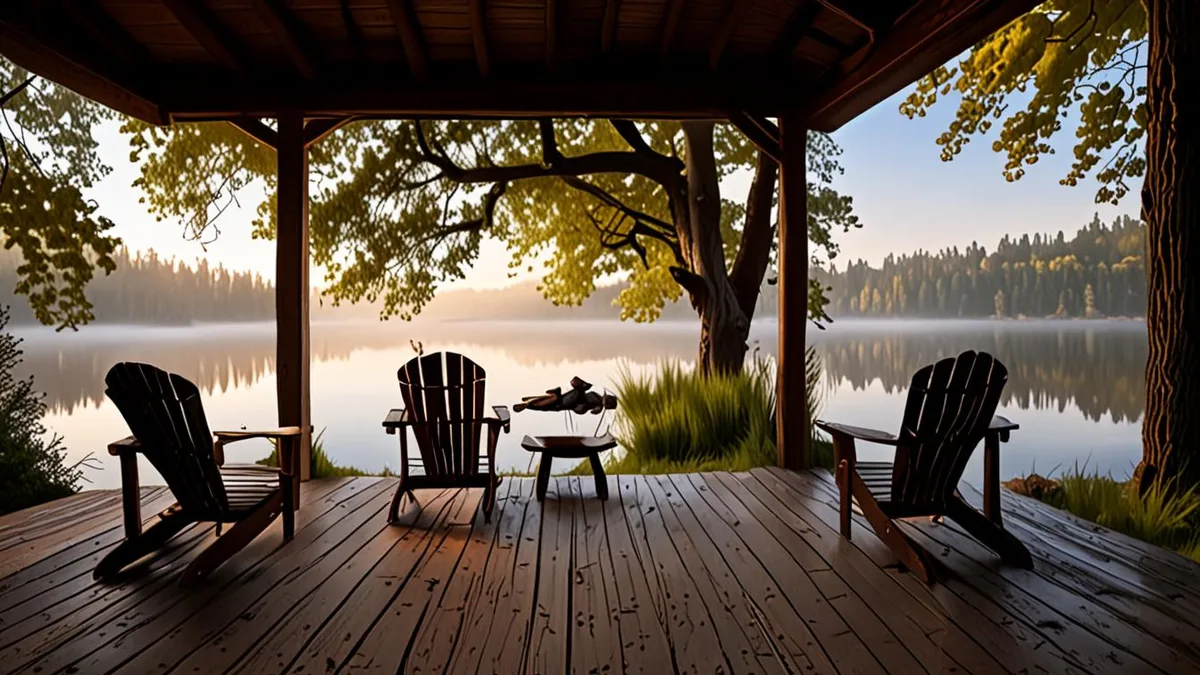
Waterfront and lakeside sites photograph beautifully and kids are naturally drawn to them, but be honest about your family’s stage. Open water means closer supervision, often constant, with young children, which can turn a relaxing trip into an exhausting one. If your kids are strong swimmers or the site has a fenced swimming area, great. If not, consider a site set back from the water for your first outing and save the lakeside stay for when everyone’s a bit older.
Timing Your Trip: Seasons and Booking Lead Times
Timing can make or break a first family glamping trip, and the good news is that you don’t have to travel during the busiest, most expensive weeks to have a great experience. The months of May-June and September are often the sweet spot: the weather is mild, the sites are quieter, and rates are typically lower than during peak July-August. Kids can still swim, roast marshmallows and play outside without the midsummer heat or the crowds.
Popular family-sized units sell out fast, especially for summer weekends. A good rule of thumb is to book 3-6 months ahead for peak summer dates, while shoulder-season trips usually need 2-3 months’ notice. If you have your heart set on a specific site or unit type, checking earlier never hurts.
Temperature matters more with kids than with adults. If overnight lows are likely to fall below 50°F (10°C), skip sites that offer unheated canvas tents and look for accommodations with heating instead. Cold, sleepless nights are the fastest way to turn children off outdoor travel.
- Check sunrise and sunset times for your dates — early fall sunsets mean more time needed for evening entertainment like board games and lanterns inside the unit.
- Avoid holiday weekends for a first trip — sites are fuller, noise carries between units, and staff attention is stretched thinner.
- Ask about school-holiday overlap — some regions have different school calendars, so a quiet-looking date may still be busy with local families.
- Confirm the season dates with the operator — some sites open late or close early in the season, and availability can differ from what a booking platform shows.
Amenities That Make or Break a Family Glamping Site
When you’re traveling with kids, the amenity list matters far more than the view from the deck. For most families, two things are non-negotiable: a private bathroom and a kitchen or kitchenette. Sharing a communal bathhouse at 6 a.m. with a groggy toddler gets old fast, and having a fridge and a way to heat food saves both money and meltdowns. These are consistently the top two family priorities, so filter your search around them first.
Beyond the essentials, look for extras designed with children in mind. A playground, a fire pit with proper seating, a shelf of board games, or the chance to meet farm animals can occupy kids for hours and turn a good trip into a memorable one. These details also signal that the site genuinely welcomes families rather than tolerating them.
Don’t dismiss connectivity, even if you’re hoping for a screen-light trip. Wi-Fi and cell coverage matter for navigation, checking the weather and reaching help in an emergency. Before booking, note which units have the best signal and download offline maps as a backup.
- Ask whether cribs, high chairs and bed rails are available — bringing your own is possible, but it eats into packing space and trunk room.
- Look for shaded play areas — playground equipment in full sun can be too hot to use by mid-afternoon in summer.
- Check if the kitchen includes basics — a coffee maker, pots, plates and utensils save you from hauling a crate of gear from home.
- Confirm lighting paths after dark — solar path lights or lanterns between your unit and the bathroom make nighttime trips with small kids much easier.
Budgeting: What Family Glamping Really Costs
Glamping sounds budget-friendly until you start adding up the extras, so it helps to know what a realistic family trip costs before you book. For a family-sized unit, expect to pay roughly $150-$400 per night, with cabins generally sitting at the higher end of that range and canvas tents toward the lower end. Prices vary a lot by region and season, so treat these figures as a planning range rather than a quote.
Watch what’s included in the rate
Two sites with similar nightly rates can cost very different amounts once you’re on-site. Linens, firewood, kayaks, bike rentals and kids’ activities are sometimes included and sometimes charged separately, and those extras can add $30-$75 per day for a family if you pay for each one. Before booking, read the unit description carefully and email the operator with a short list: linens, firewood, parking and any activity fees. Knowing what’s bundled makes real comparison possible.
How to pay less for the same trip
The easiest saving is timing. Midweek stays often run 20-30% cheaper than weekends in the same season, and sites are quieter too — a real bonus with young children. Shoulder-season dates also tend to cost less than peak summer weeks. If your schedule allows a Monday-to-Thursday trip, you’ll often get the same unit, the same views and the same campfire for noticeably less money.
Your First Family Glamping Trip, Sorted
Your first family glamping trip comes down to a handful of decisions, and none of them are complicated. Choose a stay type that feels more like a small home than a campsite, keep the drive short enough that kids arrive with energy to spare, and match the site to your season and budget. Do that, and you’ll have plenty of good options to choose from.
Then focus on the details that keep young kids comfortable and safe: easy access to bathrooms, a place to prepare simple meals, and kid-friendly extras like playgrounds and fire pits with seating. Lock in your dates well ahead of peak season, and double-check that your unit can be heated if nights turn cool. Get these basics right and your first trip sets up a lifetime of family outdoor travel. If this helped you plan, leave a comment or share the article with another family thinking about their first trip.