Every summer, travelers search for a hotel near Santorini’s caldera only to find the best rooms already gone and prices swinging wildly from one property to the next. Caldera-view rooms in Fira, Imerovigli and Oia often book out four to six months ahead for peak season, and two hotels with seemingly similar photos can differ enormously in view, space and service. Without a clear way to compare, it is easy to overpay for a room where the famous sunset is visible only from a shared terrace.
This guide walks you through the decisions that matter. We explain why caldera-side rooms carry such a premium and sell out early, how to choose between the three main villages, and which stay type fits your budget, from cave suites to plunge-pool terraces. You will also find advice on timing your booking, practical checks to make before you confirm, and how to get around once you are on the caldera, plus a short recap to pull it all together.
Why a Hotel Near Santorini’s Caldera Costs More and Sells Out Early
The view explains the price. Rooms on the caldera side of Santorini face west toward the volcano and the sunset, which is exactly what most visitors come for, so hotels charge a premium of roughly two to three times what comparable rooms in inland villages cost. You are not paying for a bigger room or better breakfast; you are paying for the edge of the cliff and what happens on the horizon every evening.
Supply makes it worse. Many caldera properties are cave hotels carved into the cliffside, and these buildings naturally hold only a handful of rooms. A small family-run property might have eight or ten units in total, which means demand for summer dates far outstrips what is available. For stays between June and September, it is common for the best-value rooms to sell out four to six months in advance.
The shoulder-season workaround
If your dates are flexible, May and October deserve a serious look. The caldera looks the same at sunset in October as it does in August, the weather is usually still pleasant, and rates typically drop 30 to 40 percent below peak-season prices. Crowds thin out too, which makes the cliff path between villages far more enjoyable. The trade-off is that the sea can be cooler for swimming and some smaller hotels may have reduced services early or late in the season, so check directly with the property before you commit.
Choosing Your Caldera Village: Fira, Imerovigli or Oia
The caldera villages stretch roughly 10 km along the cliff edge, from Fira in the south through Imerovigli up to Oia in the north. Picking the right base matters more than picking the right hotel, because it shapes your mornings, your evenings and how much you walk. All three villages sit on the same caldera with the same sunset and volcano views, so your choice comes down to atmosphere, convenience and price. The good news is that no choice is wrong; each village simply suits a different pace of travel.
Each village attracts a different kind of traveler, and the differences are easy to summarize:
- Fira is the island’s transport hub, with the main bus station connecting you to beaches, the port and the airport, plus the widest choice of restaurants, cafes and shops. The flip side: it is the busiest stretch of the caldera strip, with cruise crowds passing through on foot most days.
- Imerovigli sits between the two, a short walk from Fira but noticeably quieter. It sits at the highest point of the caldera edge, so many rooms get wide, open views across the volcano. It is a favorite with couples looking for a romantic base without Oia’s prices.
- Oia delivers the most photographed sunsets on the island, and hotels here charge for it. Room premiums are the highest on the island, especially for west-facing rooms that look straight down the sunset line, so expect to pay more for the same category of room than elsewhere.
A practical way to decide: if you plan day trips by bus and want dining options on your doorstep, choose Fira. If romance and quiet top your list, Imerovigli is hard to beat, and you can still walk into Fira for dinner when you want more energy. If seeing the sunset from Oia itself is the whole point of the trip, budget extra and book earlier. Whichever you pick, you can walk the caldera path between the villages, so you are never locked into one atmosphere.
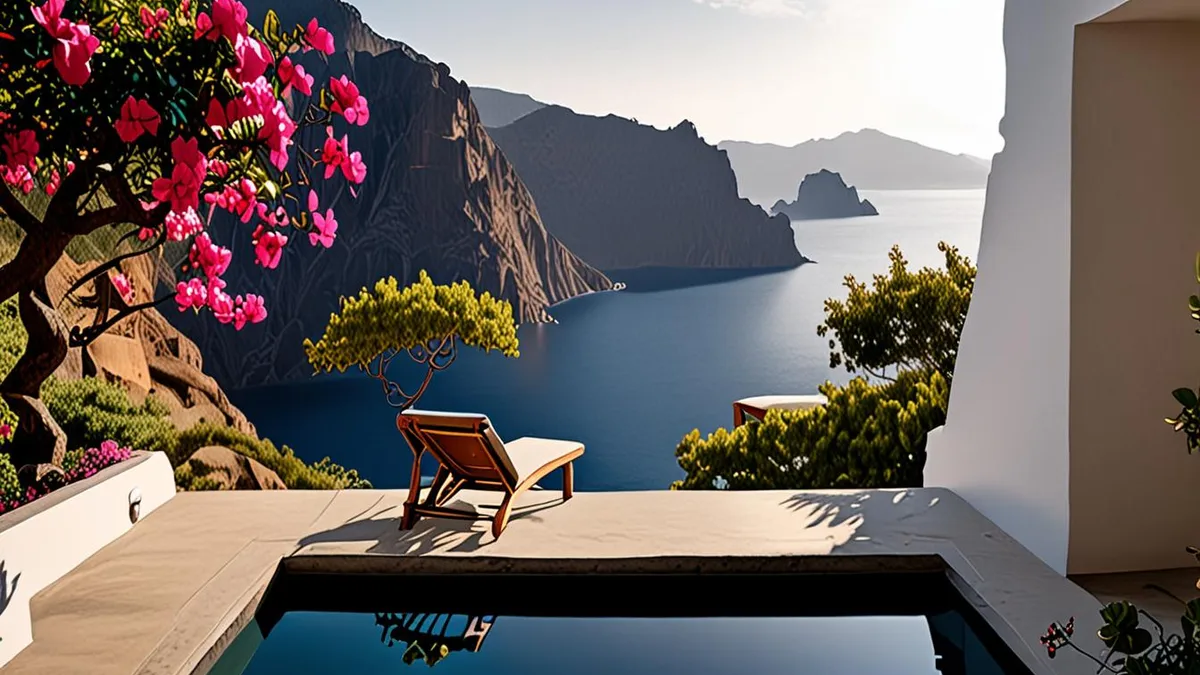
Cave Suites, Cliffside Rooms and Plunge Pools: Picking a Stay Type
Once you have picked a village, the next decision is what kind of room to book. On the caldera, “hotel room” covers everything from a simple cliffside double to a multi-level cave suite with its own plunge pool, and the price gaps between these categories can be as large as the gap between villages. Knowing what you are actually paying for helps you spend where it counts.
Cave suites are the signature Santorini experience: curved whitewashed spaces carved into the cliff, cool in summer and full of character, with a privacy that standard hotel rooms rarely match. The catch is access. Because they are built into the cliffside, many cave rooms sit 20 to 40 steps below street level, reached by steep staircases that can be tiring with luggage and unsuitable for travelers with mobility limits.
Views are the other thing to verify carefully. “Caldera view” in a hotel listing can mean the view is from your own terrace, or only from a shared terrace elsewhere on the property. Ask before booking.
- Private plunge pool is the top upgrade on the caldera, giving you a front-row sunset spot without leaving your terrace, and it commands the highest rates as a result.
- Shared pool stays cost noticeably less while still giving you water and a view, though you may be competing for loungers at sunset in high season.
- Cliffside rooms without a pool are the budget-friendly entry to caldera-side lodging, and often the smartest pick if you plan to spend your days out exploring anyway.
- Room-level vs. shared views deserve a direct question: ask whether the caldera is visible from inside the room or its private terrace, and whether anything, such as a neighboring building, blocks the sunset line.
When and How to Book for the Best Caldera Rates
Caldera rooms in Santorini follow a simple rule: the good ones go first. Because cave hotels have only a handful of rooms and everyone wants the same sunset-and-volcano view, dates in June through September often sell out four to six months ahead. That means waiting until spring to book a summer trip usually leaves you choosing between overpriced leftovers or rooms with no view at all. A clear booking strategy saves you both money and stress, and it starts the moment you know your travel dates.
- Book four to six months ahead for summer stays. This is especially true for June through September, when the small inventory of caldera-side rooms disappears early. If you have your heart set on a specific cave suite, earlier is safer. Mark your calendar with a reminder so the booking window does not slip past you.
- Choose a free-cancellation rate when it costs little or nothing extra. This lets you re-shop the same room later. If prices drop or a better suite opens up, you can cancel and rebook without losing money. Just note the cancellation deadline and set a second reminder a few days before it passes.
- Target May or October for the same views at lower prices. Shoulder-month rates can drop 30-40% below July-August prices, and the caldera looks exactly the same at sunset. The weather is usually still pleasant for walking the villages, and the paths and terraces feel noticeably calmer than in peak season.
- Compare the same room type across booking sites and the hotel’s own website. Look at the identical suite name, not just the hotel. The hotel’s direct rate sometimes includes perks like breakfast or a transfer that third-party sites leave out, and direct bookings can make special requests easier to arrange.
One last habit worth building: check the cancellation terms in writing before you commit, since policies differ between platforms and direct bookings. Screenshot or save the confirmation email so you have proof of the rate and conditions if anything changes. A flexible rate on the right room, booked early, is usually the best combination for a caldera trip.
Practical Checks Before You Confirm a Caldera Hotel
Caldera hotels are wonderful, but their quirks are easy to miss in glossy photos. Cave rooms that look dreamy online can involve steep climbs, shared terraces or thin walls, and none of that shows up in the listing photos. Before you confirm, ask the hotel a few direct questions. The answers will tell you more than any brochure, and they can spare you a frustrating surprise when you arrive with luggage in hand, sweaty and out of breath on a cliffside path.
- Steps and climbs. Many cave hotels have 20-40 steps or steep paths between street level and the room. If you have heavy bags or mobility limits, ask exactly how many steps separate your room from the road and whether staff help with luggage. A room that looks romantic can quickly feel exhausting if you climb it several times a day.
- Breakfast and transfers. Confirm whether breakfast is included, served at what general times, and whether it is delivered to your terrace. Ask about airport transfers too, since some small cave hotels arrange them only on request, and taxis can be scarce at busy arrival times.
- Pool type. Clarify whether the plunge pool on your terrace is private or shared with neighboring rooms, and whether the main pool is heated or seasonal. The difference between a private dip and a shared one changes both the price and the experience.
- Recent reviews. Read the newest reviews and search them for mentions of view obstruction from neighboring buildings, noise from sunset crowds gathering below, and air-conditioning that struggles in the small cave rooms. Older reviews may describe rooms that have since been renovated or reconfigured.
It also helps to message the hotel directly with two or three of these questions before booking. Slow or vague replies are themselves a signal, while a helpful, specific answer usually reflects the service you will get on site. Five minutes of asking can be the difference between a perfect caldera stay and one you spend complaining about.
Getting Around Once You Are on the Caldera
Once you are settled on the caldera, getting around is easier than many first-time visitors expect. The famous caldera path links Fira, Imerovigli and Oia on foot, and walking the full stretch takes roughly 3 hours total. You can do it in sections, stopping for coffee or a swim along the way, and the views never let up.
Buses, taxis and rental cars
Local buses connect the main villages and are the budget option, though they get crowded in peak hours. Taxis are available but limited in number, so allow extra time in high season. If you want beaches and inland villages, a rental car or ATV gives you real freedom, since public transport is thinnest exactly where those places are.
Choosing where to stay for transport
If you plan day trips without a car, stay near a bus stop. Fira works best for this because it is the island’s transport hub, while Imerovigli and Oia are quieter but mean a short walk or connection for most departures. Check current bus timetables closer to your trip, since schedules shift between seasons. Whatever you choose, the compact size of the caldera strip means you are never far from the next village or the next sunset.
Wrapping Up Your Caldera Hotel Choice
Caldera-view rooms in Santorini sell out months ahead and vary wildly in price and quality, so the best way to compare them is to work through three simple decisions before you book anything. Start with the village: Fira if you want convenience and restaurants, Imerovigli if you want quiet and wide views, Oia if sunsets are the whole point of your trip.
Next, match the stay type to your budget, remembering that caldera-side rooms typically cost 2-3 times more than inland village rooms, so a cave suite and a shared terrace are very different spends. Finally, time your booking: reserve 4-6 months ahead for June-September stays, or aim for May and October to save 30-40% while keeping the same views. Run through the practical checks on steps, pools and breakfast, and you can commit with confidence. If this helped you plan your trip, leave a comment or share the article with a fellow traveler.