You’ve found it: a dream villa with a private pool, sea views and a price that seems almost too good to be true. Before you transfer a single dollar, that little voice asking “is this real?” deserves your attention. Fake villa listings are one of the most common travel scams, and they’re built to look convincing exactly when you’re most excited to book.
The good news is that most scams follow predictable patterns, and a few simple checks can expose them in minutes. In this guide, we’ll look at why fake villa listings exist and who they target, the red flags hiding in the listing itself, how to verify the villa and its owner, which payment methods protect you, the trade-offs between platforms and booking direct, and what to do if you already suspect a scam. By the end, you’ll know exactly how to book that villa with confidence.
Why Fake Villa Listings Exist and Who They Target
Here’s how the scam usually works: a fraudster finds a genuine villa on a legitimate rental site, copies its photos and description word for word, then reposts the listing elsewhere at a price dramatically lower than the original. The discount is the bait. When a villa that normally rents for a premium suddenly appears 30-50% below comparable local rates, that gap isn’t luck or a motivated owner — it’s often the whole business model.
Why the pressure feels so real
Scammers lean heavily on urgency, and peak season gives them the perfect tool. For popular European coastal destinations, travelers typically book 6-9 months ahead, which means genuine availability genuinely tightens early. A message saying “this is the last slot for July” sounds plausible, so victims rush to pay before doing proper checks. The urgency is manufactured, but it works because it mimics real market behavior.
So who falls for it? Most often, it’s first-time villa renters who don’t yet know what a normal booking process looks like, and families booking from far away who can’t pop over to inspect the property in person. Distance makes video calls and map checks feel like enough — and scammers know it. If you’re planning a trip you can’t easily cancel or rebook, that’s precisely when you should slow down and scrutinize every detail before any money changes hands.
Red Flags in the Listing Itself
The listing itself usually gives the scam away — if you know where to look. Start with the price. When a villa costs dramatically less than comparable properties in the same area and season, treat that as a serious warning rather than a lucky find. Legitimate owners know what their property is worth, and genuine last-minute discounts rarely reach the kind of depth that makes you do a double take. If a deal feels almost too good, that feeling is data.
Photos are the next tell. Scam listings often mix images with clashing interior styles — a sleek modern kitchen next to rustic, mismatched bedrooms, or towels folded with hotel-style precision — because the pictures were lifted from different sources rather than shot at one property. Inconsistent lighting, aspect ratios or image quality across the gallery can point in the same direction.
Beyond price and photos, examine how the listing handles the basics and what the owner’s profile actually shows. A few specific signals deserve extra attention:
- Reviews that read like templates. A wall of five-star ratings with generic praise like “amazing place, great host” and no mention of specific rooms, views, the pool or the check-in process often means the reviews were written by the scammer, not by real guests. Real reviews tend to be uneven, occasionally critical and full of small practical details.
- An address that never materializes. Vague descriptions like “5 minutes from the beach” with no exact street location until after payment make independent verification impossible — which is exactly the point.
- A profile with no history. An owner account created recently, with no past bookings, no reviews received and no verified identity badge, should make you pause before sending anything.
One red flag alone may have an innocent explanation — a new host does have to start somewhere, and a single blurry photo isn’t proof of anything. But two or three of these signals together, on a listing that’s also suspiciously cheap, should end the conversation. There are plenty of villas out there; your money only needs to go to one of the honest ones.
How to Verify the Villa and the Owner
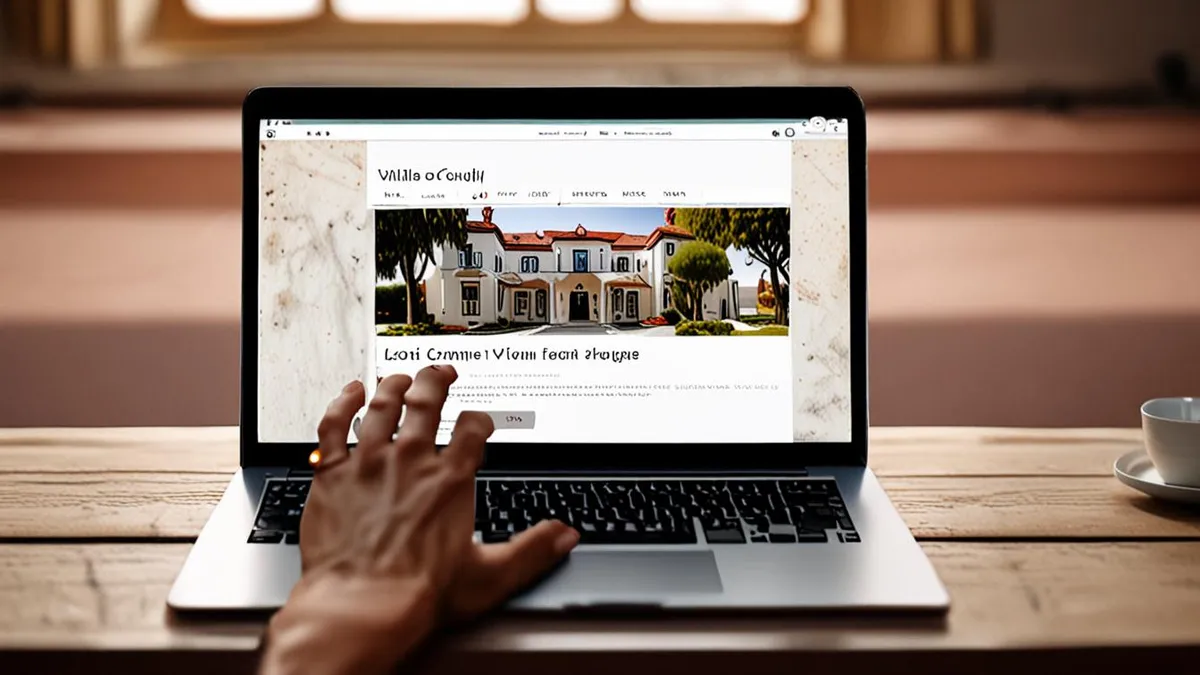
Once a listing passes the eyeball test, it’s time to verify actively. Scammers count on travelers booking from a distance without ever checking anything beyond the listing page. The good news is that verification is simple, free and fast — these four steps take less than an hour in total and catch the overwhelming majority of fake villa listings before any money changes hands:
- Run a reverse image search on the photos. Upload the listing’s main images to a reverse image search tool and see where else they appear. A single stolen photo can be reused across dozens of sites, so finding the same pool shot under a different villa name or address is close to definitive proof of a copycat listing. Check the exterior shots too, not just the interiors.
- Request a live video walkthrough. Ask the owner for a 10-15 minute video call walking through the actual villa, room by room, so you can match what you see on screen to the listing photos. A genuine owner will treat this as routine; a scammer will make excuses, claim a bad connection or offer a pre-recorded video instead. Hold the call at a set time so the host can’t swap in footage.
- Test the owner’s communication. Ask specific questions — how many bedrooms, which floor the pool is on, how far the nearest town is. Legitimate owners or managers usually reply within 24-48 hours with answers that stay consistent across messages. Vague, evasive or contradictory replies are a strong signal something is wrong.
- Cross-check the exact address on maps. Once you have a precise address, look it up on maps and street view. Confirm the building exists, matches the photos, and that its surroundings — the road, the neighbors, the distance to the beach — line up with the listing’s claims.
Do these checks before any payment discussion, not after. A legitimate host will never object to being verified, and completing them in order — photos first, then video, then address — means you can walk away early if any step fails, before you’ve invested money or emotional energy in the booking. If a host fails one check but passes the others, ask for clarification rather than assuming the worst; slow email replies, for example, can simply mean a busy property manager. But if two or more steps raise doubts, treat that as your signal to move on to another villa. There are always more options than scammers want you to believe.
Safe Payment Practices for Villa Rentals
How you pay matters just as much as how you research. The single safest rule for villa rentals is simple: use a payment method that can be reversed if something goes wrong. Credit card payments and platforms that hold money in escrow give you the strongest protection, because the funds sit with a third party until you have actually arrived and confirmed the villa matches what you booked.
Bank and wire transfers are the opposite. Once the money leaves your account, there is little to no recourse if the deal turns out to be fake, and banks rarely can or will recover funds sent this way. Scammers specifically ask for transfers because they know you have no way to claw the money back. If a host insists on a transfer, treat that as a serious warning sign rather than a quirky preference.
Timing is the other thing scammers get wrong. A legitimate host typically takes a deposit when you book and collects the balance closer to your arrival, not the full amount months in advance to a private account. You should also be suspicious if someone tries to move your conversation off the booking platform to WhatsApp or email before you have committed, since that usually means they want to avoid the platform’s payment protections and paper trail.
Before any money moves at all, get the deal in writing. A short rental agreement protects both sides and gives you something concrete if a dispute arises later. At minimum, it should cover:
- The exact property address, not just a neighborhood or a pin that moves around between messages
- Your full stay dates, including check-in and check-out times, so there is no ambiguity about when you take possession
- Cancellation terms, including what happens to your deposit if you cancel and what the host owes you if they cancel
- The payment schedule, splitting the total into a deposit and a balance due closer to arrival rather than one lump sum
- A named contact person with a working phone number, so you can reach someone other than the anonymous listing account
If a host balks at putting any of this in writing, that reluctance tells you everything you need to know. Honest owners expect contracts, and reputable ones usually send one without being asked.
Booking Through Platforms vs Direct: Scam Risks Compared
Booking through an established platform or going direct to an owner both work, but they distribute risk very differently. Understanding where the protection sits helps you decide which route suits your trip and your tolerance for doing your own homework.
What platforms give you, and what they cost
Established rental platforms offer three things a private listing cannot: verified listings, escrow-style payments where your money is held until check-in, and a dispute resolution process if the villa does not match the description. The trade-off is service fees added to the booking total. Many travelers consider that fee cheap insurance, especially for a large family booking where the stakes are high and rebooking last minute would be expensive or impossible.
Going direct, and who carries the risk
Booking direct with a vetted owner can save you those fees, and repeat guests often prefer it for the personal relationship. But understand what you are trading: all verification and payment risk shifts onto you. There is no platform holding your money and no mediator if things go wrong. If you book direct, insist on a card payment or another protected method, never a wire transfer, and verify the owner’s identity independently through video calls, cross-checked addresses and a written contract.
One more pricing reality check: high season rates for popular coastal villas often run 2-3x low season prices, so a villa offered at a bargain rate in July or August is a warning sign, not a win. Legitimate owners do not need to discount their best weeks; scammers use tempting prices to rush you past your better judgment.
What to Do If You Suspect a Scam
Suspecting a scam is stressful, but your next moves matter more than the mistake itself. Speed and evidence are what determine whether you recover your money, so act methodically and resist the urge to keep negotiating with someone who may already be gone. Every hour counts, because card dispute windows and platform investigations work best with fresh, complete records. Here is the order of operations:
- Stop all communication immediately and send nothing further, no matter how convincing the excuse. Scammers often ask for a “small confirmation fee” or an extra payment to release the keys; every additional payment is simply more money to lose, and there is no version of this where paying again gets your first payment back.
- Report the listing to the platform where you found it, so it can be taken down before other travelers are targeted. File the report through the platform’s official channel, not by replying to the scammer’s messages, and include as much detail as the form allows.
- Contact your card provider or bank right away and request a chargeback. Time matters here, because card networks have windows for disputes and the sooner you report, the better your odds of recovering the funds. Card payments are among the strongest protections you have, so use them from the start.
- Preserve your evidence by taking screenshots of the listing, the full message thread, the payment receipts and any profile pages. Save them somewhere safe outside the platform, since listings can vanish overnight, and note dates and amounts while they are still fresh.
Even if the money does not come back, your report still counts. Takedown requests and chargeback records feed into fraud detection on both the platform and the banking side, and thorough screenshots make those processes far easier. Acting within hours rather than days is genuinely the difference between a recoverable loss and a lesson learned the hard way.
Final Checks Before You Book
If that dream villa at half the usual price has you hesitating, trust that instinct and pause before you pay anything. Fake listings follow a pattern: prices that undercut local rates by 30-50%, photos copied from real properties, pressure to move payment off-platform, and a rush to close the deal before you can think. Scammers count on you booking quickly and asking questions later.
The good news is that the checks take very little time. A reverse image search, a 10-15 minute video walkthrough and a protected payment method like a credit card or an escrow platform will filter out most frauds. A legitimate host answers your specific questions, sends a written contract and never pushes you toward a wire transfer. If something still feels off, walk away and keep looking. Have you spotted a suspicious villa listing or avoided a scam yourself? Share your experience in the comments below.