Every winter, travelers arrive in Lapland with high hopes and a booking made too late, only to find that the glass igloos sold out months ago and the aurora had other plans. If you want to book lodge stays in Lapland and actually see the northern lights from your bed or terrace, timing matters twice over: the month you choose and how far ahead you reserve both shape your odds.
This guide walks you through the whole decision. We cover when aurora season actually runs, the trade-offs between autumn, deep winter and early spring, how many months of lead time different room types need, and where to base yourself, from Rovaniemi to Abisko. We also look at what lodges cost, which perks to look for, and practical booking tips so you can lock in a room with a sky view before someone else does.
When Aurora Season Runs in Lapland
The northern lights season in Finnish and Swedish Lapland runs roughly from late August to early April. That is a long window by aurora standards, and it exists for one simple reason: outside the summer months, nights inside the aurora zone get dark enough for the lights to show, even when activity is moderate.
Within that window, not all months are equal. December through March gives you the highest odds, because you combine very long nights with statistically frequent auroral activity. In practical terms, that means more hours of darkness each night in which a display can appear, and more chances over a multi-night stay.
The equinox advantage
September and March deserve special mention. These equinox months often deliver strong displays, a pattern many aurora chasers swear by, while the weather tends to be milder than in midwinter and the crowds noticeably thinner. In September you might watch the lights from a lakeside terrace without gloves; in March you get dark nights plus the first stretch of real daylight for daytime activities. If your priority is the aurora itself rather than a Christmas-card landscape, the shoulder ends of the season are well worth considering.
Choosing Your Month: Trade-offs for Lodge Stays in Lapland
There is no single best month to book a lodge in Lapland; there is only the best month for the trip you want. Autumn, deep winter and late winter each come with real advantages and real compromises, and knowing them helps you match your dates to your priorities.
September and October appeal to travelers who want the aurora without the deep freeze. Lakes and fells are still accessible before the snow settles, and an aurora reflected in still water is one of the most memorable views Lapland offers. Rates typically run 20-40% below peak, which stretches your budget toward a better room.
December and January deliver the classic postcard: deep snow, polar night in the far north from mid-December to early January with only a few hours of twilight, and the highest demand of the year, especially around Christmas. February and March balance reliable snow with lengthening days and strong aurora odds once the holiday crowds thin out.
- September-October: pack layers instead of full arctic gear, and look for lakeside lodges where the water doubles your viewing surface on calm nights.
- December-January: if you want Santa Village visits or husky safaris alongside aurora hunting, this is the window, but expect premium pricing and book the earliest.
- February-March: with more daylight, you can fit cross-country skiing or snowmobiling in the afternoon and still hunt the lights after dinner, making it a favorite for active travelers.
How Far Ahead to Book
Lapland lodge rooms are limited in number, and the most desirable category, rooms with a view of the sky, is the smallest. That is why lead time matters more here than for most European trips.
Peak winter: plan far ahead
For stays between December and February, aim to book 6-12 months ahead. Glass igloos and aurora-view cabins sell out first, often long before standard rooms do, and the gap between Christmas and New Year fills earliest of all. If a sky-facing room is the whole point of your trip, treat the booking like a flight release and reserve as soon as dates open.
Shoulder months: more flexibility
For September-October or late March stays, 3-6 months of lead time is usually enough to find good availability, including many sky-view options. Rates in these months sit noticeably below peak season, so the same lodge budget can stretch to a longer stay or a better room category. You also get milder weather for evening aurora watching, which makes standing outside waiting for a display far more comfortable than in deep winter.
Last-minute deals do exist in the shoulder months, and spontaneous travelers can sometimes find a cabin a week or two out. What you will rarely find late is a room with a glass roof, sky-facing windows or a private aurora alarm, because those are the first to go in every season. If those features matter to you, book ahead regardless of when you travel.
One practical tip: if your dates are flexible, ask the lodge directly about midweek availability. Weekends and school holiday periods fill fastest, and a Tuesday or Wednesday check-in often leaves you more choice of room types, even when you book only a few months out.
Where to Base Yourself
Picking the right base shapes your whole aurora trip. Lapland’s main lodge areas stretch across more than 300 km of the aurora zone, so the difference between them is less about whether you’ll see the lights and more about what your days look like between the nights.
Rovaniemi works well for first-timers. You can combine a trip to Santa Village with evening aurora excursions, and the city has the widest choice of restaurants, shops and transport links. The trade-off is light pollution, so most visitors drive or take a transfer out of town for the darkest skies.
Levi and Saariselkä sit on fells well above the surrounding forest, which means lodges there often have dark skies essentially on the doorstep. You can step outside your cabin, look up, and be aurora hunting within seconds.
Across the border in Swedish Lapland, Abisko has built a reputation on its microclimate. The surrounding mountains tend to shelter the area from cloud, so skies are often clearer than in nearby regions — a real advantage when cloud cover is the main thing standing between you and the lights.
- Rovaniemi: the easiest place to reach by air, with regular flights and rail connections from southern Finland, making it a practical choice if you want a short trip without long transfers.
- Levi: a full ski resort, so you can fill daylight hours with slopes and lifts rather than only aurora-focused activities.
- Saariselkä: one of the northernmost fell areas, deep inside the aurora zone, with extensive wilderness right behind the lodges for snowshoeing and quiet night viewing.
- Abisko: home to an aurora-focused sky station on the mountain, reachable by chairlift, where many visitors gather on clear nights.
What Lodges Cost and What You Get
Lodge pricing in Lapland varies enormously by room type and timing. Standard cabins and regular lodge rooms typically run roughly €150-€300 per night in season. These give you a warm, comfortable base, but you’ll usually need to head outside — or join an excursion — to watch the sky.
Paying for the view
Glass-roofed suites and dedicated aurora cabins sit at the top of the range, often reaching €400-€600 per night, especially in December and January when demand peaks. The premium buys you the ability to lie in a heated bed and watch the sky all night, which matters on cold nights when temperatures drop well below freezing and standing outside loses its appeal quickly.
What’s usually included — and what isn’t
Many lodges offer aurora wake-up calls, so staff ring your room when the lights appear. Sauna access is commonly part of the deal, and it’s genuinely useful after a night in the cold. Guided snowmobile safaris and husky excursions are usually available on site but charged as extras, and they’re rarely cheap, so budget for one or two if daytime activities matter to you.
One practical tip: the same lodge can offer very different value depending on the month. Shoulder-season dates in September, October or late March often bring noticeably lower rates than the December-February peak, with little loss in aurora odds — check current pricing with the lodge before you commit.
Booking Tips for Aurora Trips
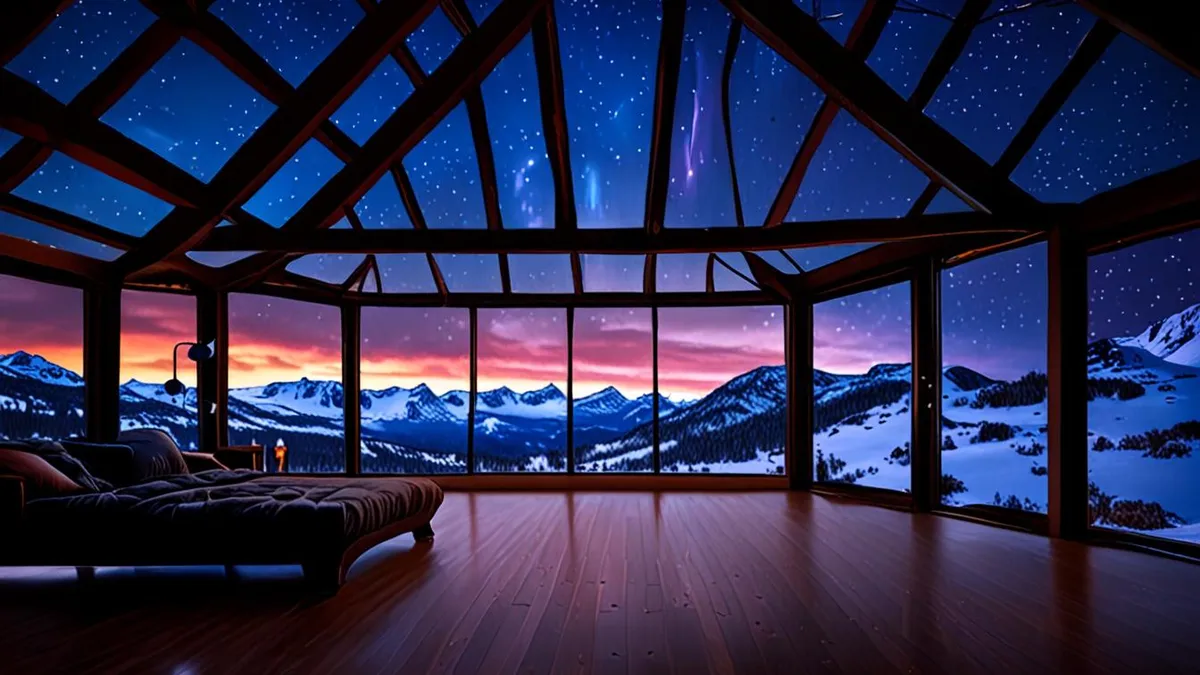
The single biggest booking mistake is choosing a lodge on marketing rather than room design. “Aurora destination” appears on plenty of websites, but it tells you nothing about whether you can actually watch the sky from your bed. Prioritize rooms with glass roofs, sky-facing windows or a private terrace — that’s what turns a night of waiting into a night of comfort.
Cancellation terms deserve a careful read. Winter weather can disrupt flights into Rovaniemi, Kiruna or Kittilä, and a missed connection can cost you one of your precious nights. Flexible or partially flexible rates cost more upfront but can save the trip if a storm rolls in.
Finally, think in nights, not nights-out. One night in Lapland gives you roughly a coin-flip chance of clear skies; three or four nights dramatically improve your odds of at least one good display. If your schedule allows, plan the lodge stay for the middle of your trip so a delayed arrival doesn’t wipe out your viewing window entirely.
- Ask about the aurora alarm system: some lodges wake every guest, others only on request — worth confirming before you book if you don’t want to miss a 2 a.m. display.
- Check what “glass roof” actually means: heated glass, a partial window or a separate viewing hut all get marketed similarly, so read room descriptions closely.
- Consider travel insurance with weather disruption cover: Arctic delays are common enough that a policy covering missed nights can pay for itself.
- Book excursions at the same time as the room: popular husky and snowmobile tours can fill up faster than the lodges themselves in peak weeks.
Wrapping Up Your Lapland Lodge Plan
Getting your Lapland lodge stay right comes down to three things: timing your dates inside the aurora season, booking far enough ahead, and picking a room that actually puts the sky above your bed. December to March remains the peak window, so reserve those dates 6-12 months out if you want a glass igloo or aurora cabin. If your budget matters more than snow, September or March gives you solid aurora odds with noticeably lower rates.
Once the dates are set, choose your base to match your travel style and plan at least 3-4 nights, since a single evening rarely delivers clear skies. With the right month, a sky-facing room and enough nights on the clock, your odds of seeing the northern lights from your lodge are about as good as they get. If this helped you plan your trip, leave a comment or share the article with a fellow aurora chaser.