Booking an all-inclusive resort in the Canary islands sounds simple until you start asking questions. What exactly does the package cover? Are the cocktails included or only the house wine? And why do resorts on Tenerife feel so different from those on Fuerteventura? Many travelers arrive with assumptions that don’t quite match reality, and small surprises at check-in can shape an entire week.
This guide walks you through what to expect before you commit. We’ll break down what a typical package actually includes, help you pick the island that fits your travel style, and cover the best times to book. You’ll also get a realistic picture of a day at the resort, the costs that sit outside your package, and the warning signs that separate a quality property from a disappointing one. By the end, you’ll know exactly what you’re paying for and how to get the most from it.
What an All-Inclusive Package in the Canary Islands Actually Includes
The core of any all-inclusive package in the Canary Islands is straightforward: buffet breakfast, lunch and dinner every day, plus local drinks. That means Spanish beer, house wine, local spirits and soft drinks are covered at the main bars and restaurants. If you stick to what’s included, you can genuinely go a full week without opening your wallet at the resort.
Between meals, most resorts keep the food coming. Pool bars typically serve snacks from 10:00 to 18:00, and families will be glad to hear that ice cream for kids is usually part of the deal. It’s not fine dining, but it fills the gap between breakfast and lunch without a trip to the local minimarket.
What usually costs extra
A few things sit outside the standard package, and it’s worth knowing them before you arrive. Premium international drink brands, à la carte dinners at specialty restaurants, spa treatments and motorised watersports almost always carry a separate charge. House wine is included; the imported whisky on the top shelf is not.
Some resorts also run practical systems you should know about. Wristbands are common, so staff can see at a glance who’s on the all-inclusive plan. And if you’re hoping for repeated dinners at the Italian or the steakhouse, check the fine print: many resorts limit à la carte visits to one per week, with the buffet covering the rest.
Choosing the Right Island for Your Stay
The Canary Islands aren’t interchangeable, and the island you pick shapes your whole stay. Tenerife, Fuerteventura, Lanzarote and Gran Canaria host most of the large all-inclusive resorts, but each has a distinct character. The good news is that there’s a clear match for almost every travel style, whether you want nightlife and variety or quiet beaches and design hotels.
Tenerife is the natural pick for first-timers. The south of the island, around Costa Adeje and Los Cristianos, has the largest resort choice and the most reliable sunshine, so you’re rarely gambling on the weather. Fuerteventura is the one for beach lovers, with long sandy stretches around Jandía and Corralejo that put most Mediterranean beaches to shame. Lanzarote suits travelers who want a quieter, more design-led stay, especially around Playa Blanca, where the volcanic scenery feels a world away from a typical package destination. Gran Canaria’s south coast near Maspalomas offers family-friendly resorts within walking distance of dune beaches.
- Tenerife: the largest island of the four, so you can pair resort days with day trips to places like Teide National Park without long drives.
- Fuerteventura: often windier than its neighbors, which makes it a favorite with windsurfers and kitesurfers as well as sunbathers.
- Lanzarote: strict local building rules have kept low-rise, whitewashed architecture the norm, so even bigger resorts blend into the landscape.
- Gran Canaria: the dunes of Maspalomas give kids a natural playground, and the resort strip here is compact enough to explore on foot.
When to Go and How Far Ahead to Book
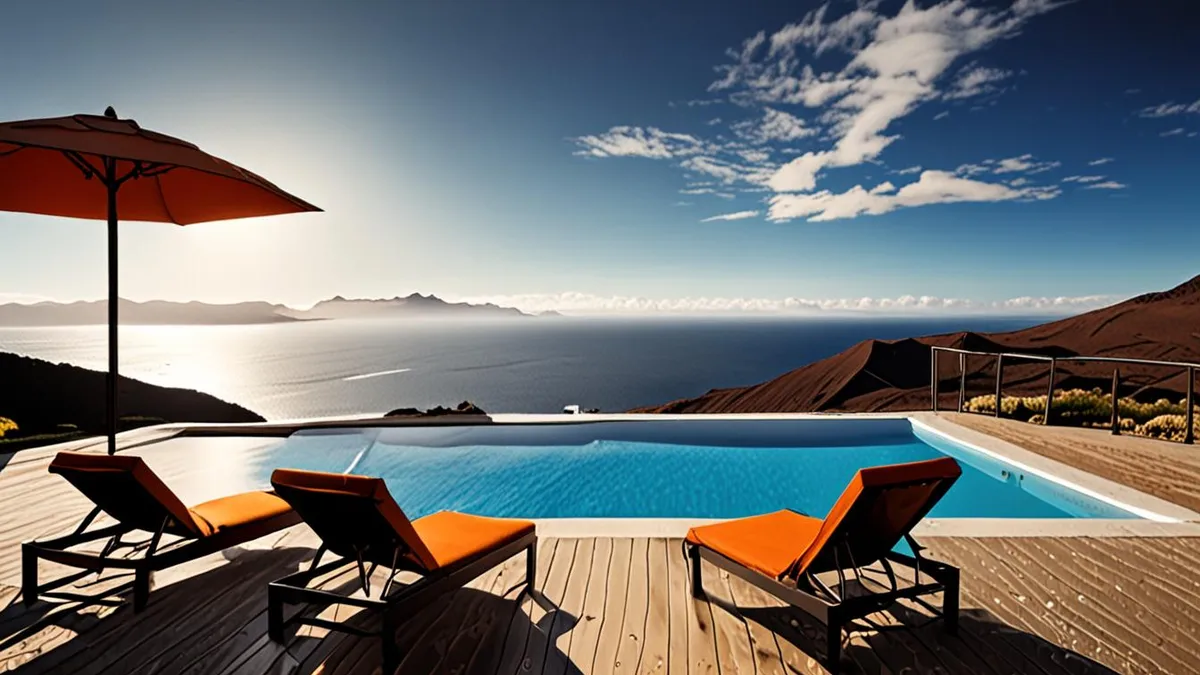
Timing makes a bigger difference in the Canary Islands than in most European destinations, because the islands sell themselves on winter sun. From December through February, when much of Europe is gray and cold, the Canaries typically see highs of 20-24°C. That’s warm enough for a coat-free lunch on the terrace and, for many travelers, warm enough to swim. This winter window is the islands’ signature draw, and resorts price it accordingly.
The booking windows that get you better rates
For summer dates, aim to book 3-6 months ahead for the best rates. For winter sun, the sweet spot is 2-3 months ahead. Leave it later than that and you’ll be choosing from what’s left, often at a premium, especially for beachfront rooms and family configurations.
If your dates are flexible, the shoulder months of April-May and October-November deserve a serious look. Prices drop, crowds thin out, and the sea stays warm enough for swimming after the summer months have heated it up. Booking a shoulder-season trip well in advance compounds the savings; our guide on how to book resort holidays cheaply in shoulder season covers the strategy in detail.
One caveat: if crowds matter to you, think twice about late July and August. Spanish and international school holidays push family occupancy to its peak, and pool space, sun loungers and kids’ club places all get tighter. Traveling outside those weeks gives you the same facilities with noticeably more breathing room.
What a Typical Day Looks Like at the Resort
A day at a Canary Islands all-inclusive follows a comfortable rhythm, and knowing it in advance helps you plan around the crowds. Mornings start with the buffet breakfast, which typically runs until around 10:30 at most resorts. After that, head straight for the pool or the beach if you want a good lounger, because the best spots fill up quickly. The midday sun gets strong, so many guests plan their swim time before noon and retreat to shade or their room afterward.
Afternoons: included activities and downtime
Larger resorts keep the schedule full without charging extra. Water aerobics sessions, poolside games and kids’ clubs for different age groups are standard, and you can join as much or as little as you like. This is also the natural time for a snack from the pool bar or an ice cream with the children. If you prefer quiet, afternoon is when the entertainment area is calmest and the beach is often at its most pleasant.
Evenings: dinner and entertainment
Dinner is the anchor of the evening. Most guests stick with the buffet, but if your package includes a bookable à la carte night, reserve it early in your stay to get the time slot you want. After dinner, the main bars fill up and the evening show usually starts, with live music, dance acts or family entertainment running until around midnight at bigger properties. If you want a quieter night, an after-dinner drink on a terrace away from the main stage is usually easy to find.
Budgeting: What You’ll Pay Beyond the Package
All-inclusive rates typically run around 30-50% above room-only in the same resort, which sounds steep until you add up what you would otherwise spend on breakfasts, dinners and rounds of drinks. For many families and couples who plan to stay on-site most days, the package works out cheaper, and it also removes the small daily sting of signing bills at every meal. The key is knowing where the coverage ends, because that is exactly where your extra spending will go, and those extras are easier to absorb if you plan for them before departure rather than discovering them poolside.
Before you travel, set aside a separate budget for the things your package does not cover. A sensible rule is to assume you will spend money on at least two or three of the following during a one-week stay:
- Excursions: boat trips, volcano tours and water parks are booked separately, and a full-day outing for a family can add up quickly.
- Spa treatments: most resort spas price massages and treatments individually, even for all-inclusive guests.
- Premium drinks: imported spirits and branded cocktails usually sit outside the standard drinks list.
- Tips: service is often not included, so keep small bills for housekeeping, bar staff and restaurant servers.
- Airport transfers: on larger islands these add real cost, for example Tenerife South airport sits around 60-90 minutes from many south-coast resorts, so a taxi or pre-booked transfer is a line item worth planning for.
One pleasant surprise: Wi-Fi is usually free in public areas, and often in rooms too. Some resorts still charge for premium in-room access or faster speeds, so check the policy before you arrive if you plan to work or stream during your stay. It is also worth asking your bank about card fees abroad, since small charges for drinks outside your package and tips can pile up on a credit card faster than you expect. A little preparation here keeps the holiday feeling genuinely all-inclusive.
How to Spot a Quality All-Inclusive Resort Before Booking
Not all all-inclusive resorts deliver the same experience, and the difference between a great week and a disappointing one often shows up in the details of the listing rather than the photo gallery. Two resorts can look nearly identical online while offering very different food, drink and service standards on the ground. A few focused checks before you book will tell you far more than polished marketing images ever will, and they take less time than you might expect.
- Read recent reviews with a focus on food and drink. Food variety and drink quality are the two most common complaints about all-inclusive resorts. Scan reviews from the last few months rather than relying on the overall score, and look specifically at what guests say about buffet repetition, hygiene at mealtimes and whether the drinks felt watered down or limited. Pay attention to how the resort responds to negative feedback, too, since a helpful reply often signals decent management.
- Check the star rating and size. Resorts rated 4 stars or higher with at least 200 rooms generally offer the full facilities you expect: multiple pools, several dining venues, a proper entertainment program and a supervised kids’ club. Smaller properties can be lovely and more personal, but they may not sustain a complete all-inclusive operation week after week.
- Confirm the drinks policy. Ask whether the package includes international brands or only local ones, since this is the single most common source of surprise charges at checkout. Also check whether premium drinks are available at every bar or only in designated areas.
- Verify the location on a map. A beachfront resort saves you a daily walk or shuttle ride compared with a hillside property. Check the actual distance to the beach and to the nearest town with restaurants and shops, because “near the beach” in a listing can mean a steep 15-minute downhill trek each way.
Ten minutes of this homework before booking is the cheapest upgrade you will ever make. It costs nothing, and it dramatically raises the odds that the resort you choose matches the holiday you pictured. If you are traveling with children or as a group, share the checklist with everyone so the whole party knows what is included before you commit to a deposit.
Wrapping Up Your Canary Islands All-Inclusive Plan
An all-inclusive stay in the Canary Islands covers more than most travelers expect: buffet meals, local drinks and snacks are standard, while premium brands, à la carte dinners and spa treatments are billed separately. Knowing that split upfront removes most of the guesswork that makes these packages feel confusing.
The island you pick shapes the trip just as much as the resort. Tenerife, Fuerteventura, Lanzarote and Gran Canaria each suit a different travel style, from first-timers to beach lovers seeking a quieter pace. For the best value, aim for the shoulder months and book 3-6 months ahead for summer or 2-3 months for winter sun. Finally, checking recent reviews and the resort’s drink policy before booking prevents most disappointments. If this helped you plan your trip, leave a comment or share the article with a fellow traveler.