Choosing between a one-of-a-kind boutique stay and a predictable chain hotel is one of the most common booking dilemmas travelers face. Both can be excellent, but they deliver very different value for your money, and the right answer depends on the trip you are taking.
This guide to boutique vs chain hotels breaks down the differences step by step. We will define what each type actually is, compare typical costs, look at service and experience, weigh location and room quality trade-offs, and finish with practical advice on how to choose the right stay for your trip.
What Is a Boutique Hotel?
A boutique hotel is typically a small property with somewhere between 10 and 70 rooms, independently owned or part of a small collection rather than a global brand. That size is the whole point: with a few dozen guests at most, the hotel can treat every stay as personal rather than procedural.
The first thing you notice in a boutique hotel is usually the design. These properties lean into a distinct identity that reflects the neighborhood or the building’s own history. A former warehouse might keep exposed brick and industrial lighting; a townhouse hotel might fill its lounge with work from nearby galleries. No two boutique hotels look alike, which is exactly why travelers seek them out.
Personal service as standard
Because teams are small, staff often greet returning guests by name and tailor recommendations to what you actually enjoy, whether that is a quiet wine bar or a Sunday market. Ask at the front desk and you are more likely to get the concierge’s honest favorite than a partner restaurant on a corporate list.
Common extras round out the experience. Many boutique hotels offer curated minibars stocked with local producers, rotating local art on the walls, and free coffee available all day rather than a breakfast-hour window. None of these are guaranteed, so check the property’s details before booking, but they are typical of the category.
What Defines a Chain Hotel?
Chain hotels are built on consistency. Whether a brand operates dozens or hundreds of properties, rooms, amenities and quality standards follow the same playbook everywhere, backed by regular inspections and formal quality checks. When you check in, you already know roughly what your room, the bathroom and the breakfast buffet will look like.
That predictability is the core of the appeal. Book a room in Porto or Prague and the experience is essentially the same: similar bed, similar layout, similar check-in process. For travelers who value routine, jet lag recovery or a late arrival, knowing exactly what awaits removes a layer of travel stress. Even themed properties follow this logic, as you can see in what to expect from Irish castle hotels, where brand-run heritage properties still deliver standardized service.
Loyalty programs and facilities
Chains run loyalty programs that let you earn points on every stay, climb to elite status and unlock perks like late checkout, upgrades or lounge access. Frequent travelers can extract real value from these schemes over a year of trips, even if a single night earns only a modest reward.
Facilities are consistent too. Most chain hotels offer a gym, many have pools, business travelers get meeting rooms, and a 24-hour reception desk means you can check in at any hour. Larger properties often exceed 100 rooms, which is how they fund all these amenities. If you want the same experience everywhere you go, a chain delivers it.
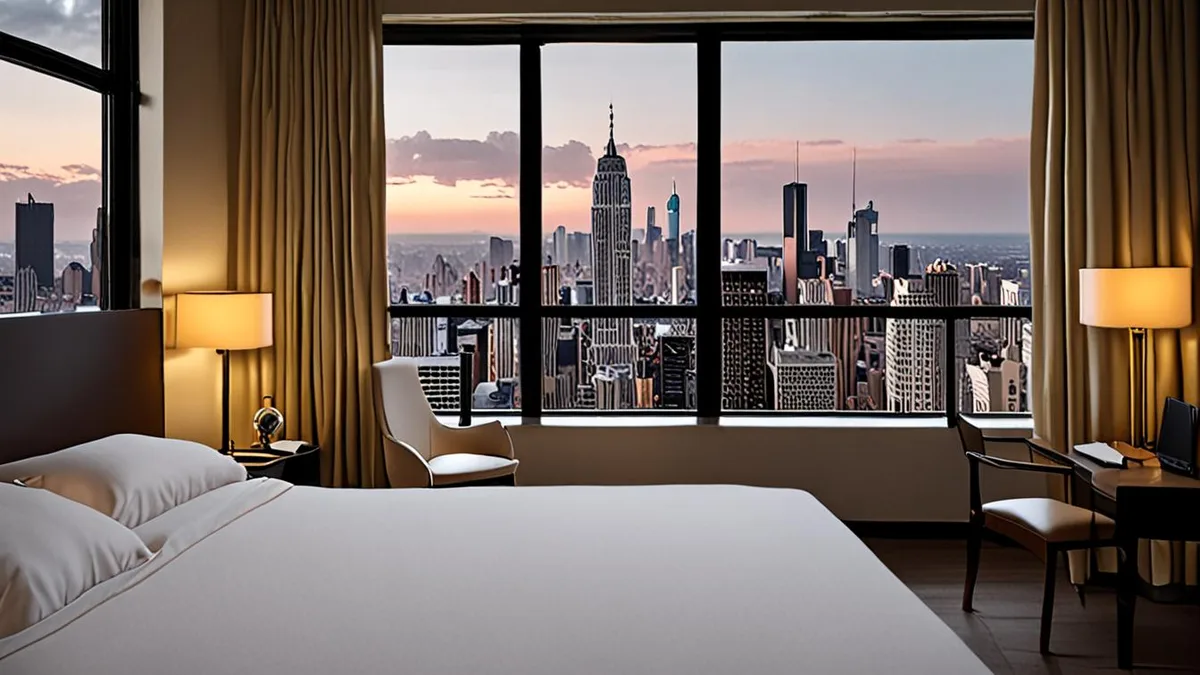
Cost Comparison: Boutique vs Chain Hotels
Price is where the two options diverge most clearly. Boutique rooms in major European cities usually run €120-250 per night, while comparable chain hotels in the same cities often cost €90-180. That is a real premium for character and service, and it widens at busy times: in peak season from June through August, boutique rates can climb 30-50% above comparable chain prices in the same neighborhood.
But the sticker price is not the whole story. Many boutique hotels fold in extras that would cost you extra elsewhere, which narrows the gap once you count what you actually spend each day.
- Breakfast included: many boutiques serve a full cooked or continental breakfast at no charge, which saves roughly €10-20 per person per day compared with paying separately at a cafe.
- Welcome drinks and afternoon snacks: an evening drink or afternoon treat included at check-in can replace a purchase you would otherwise make, adding another small daily saving.
- Loyalty math: chain points typically redeem best on stays of 3 or more nights, so a longer chain stay may cost less in cash than it first appears once you factor in redeemed nights.
The practical approach is to compare the total daily cost, not the headline rate. A boutique at €150 with breakfast included can come close to a chain at €120 plus €15 of morning coffee and pastries, especially outside peak season. Check current rates for your dates, since both categories move with demand.
Service and Experience Differences
Walk into a small independent hotel and the difference is usually obvious within minutes. The person at the desk is often the owner or a long-time employee who knows the neighborhood inside out. Instead of handing you a generic city map, they will tell you which bakery around the corner opens early, which trattoria takes walk-ins on a Tuesday, and which viewpoint is worth the climb before the crowds arrive. That kind of local insider tip is hard to get from a large property where staff rotate through shifts and follow a script.
Boutiques also tend to be more flexible with the small things. If your train arrives late or your flight lands at odd hours, a quick message often sorts out a relaxed check-in. With fewer rooms and a compact team, requests rarely get lost in a system. The flip side is that there may be no one at the desk at 3 a.m., and there is no formal complaints department if something goes wrong.
What chains do well
Chain hotels are built around process, and that shows in the service. A 24-hour front desk means someone is always available, whether you land at midnight or need a taxi at dawn. Housekeeping follows the same standards in every property, so you know exactly what your room will look like when you return. If something does go wrong, there is a structured way to escalate it, and a corporate team behind the local manager. It is less personal, but it is dependable.
In short, boutiques suit travelers who want atmosphere and a story to tell, while chains suit those who want routine, reliability and round-the-clock support. Neither is better; they simply serve different moods and different trips.
Location and Room Quality Trade-offs
One of the biggest reasons travelers pick a boutique is the address. Small hotels often occupy converted townhouses, former banks, old warehouses or historic buildings in the most characterful parts of a city. You might wake up in a room with original beams and a view over a quiet square, steps from the cafés and galleries you came for. Chains, by contrast, tend to cluster where logistics are easy: near train stations, airports and business districts. That is convenient for a quick overnight, but it rarely puts you in the middle of the neighborhood you actually want to explore.
Room quality follows a similar pattern. Chain rooms are standardized down to the layout, so you know where the desk, the wardrobe and the bathroom will be before you arrive. Boutique rooms can vary significantly, even within the same hotel, because the building dictates the floor plan. Before booking, it helps to understand the common trade-offs:
- Elevators: many historic boutique buildings were built long before lifts existed, and some older properties still rely on stairs only, which matters if you have heavy luggage or mobility concerns.
- Soundproofing: thick walls were not always a priority in centuries-old structures, so street noise or voices from the next room can carry more than in a modern chain tower.
- Room size: a top-floor boutique room under the roof may be charming but compact, so check the listed square meters rather than assuming all rooms match the photos.
- Bathroom layouts: converted buildings sometimes produce quirky shower placement or compact bathrooms that a standardized chain property would never have.
None of these quirks are dealbreakers for everyone, but knowing them in advance helps you decide whether character or consistency matters more for your stay.
How to Choose the Right Stay for Your Trip
Choosing between a boutique and a chain comes down to the shape of your trip, not to which type is objectively better. A two-night city break and a three-day business conference call for very different things, and the same traveler might reasonably pick each type on different occasions. The good news is that the decision becomes easy once you break it into a few practical steps. Work through the four below before you book, and you will usually land on the option that fits.
- Match the hotel type to the trip. Pick a boutique for city breaks and romantic getaways, where atmosphere, a central location and personal recommendations add real value. Pick a chain for short business stays, family trips where predictability matters, or any booking where you want to use loyalty points.
- Book early for summer. For city trips between June and August, plan to reserve your room 2-4 months ahead. Boutique properties have far fewer rooms to sell, so the best ones fill up quickly and last-minute rates climb.
- Read the reviews with a filter. Boutique quirks show up in guest feedback. Search reviews specifically for mentions of noise and room size, since those are the two most common complaints about buildings in historic centers.
- Compare the total cost, not the nightly rate. Add up what a boutique includes, such as breakfast, afternoon snacks or a welcome drink, and weigh that against what your chain loyalty points are actually worth on the dates you are considering.
Working through these steps takes ten minutes and usually makes the right answer obvious. Write down your nightly budget, your must-have facilities and how long you are staying, then check each option against that short list. If two options come out close, let the purpose of the trip be the tiebreaker: atmosphere for leisure, routine for work and family logistics. And if you are still torn, remember that a slightly imperfect hotel in the right neighborhood often beats a flawless one in the wrong part of town, especially on short trips where location shapes everything.
Making Your Decision
So which offers better value for your money? Boutique hotels trade standardized comfort for character, location and personal service, usually at a €30-70 nightly premium over comparable chains. Chain hotels win on price consistency, loyalty rewards and predictable facilities like gyms, pools and 24-hour reception.
The right choice depends on your trip purpose, your stay length and how much you value uniqueness over routine. A romantic city break and a two-night business trip call for very different answers. If you have faced this same decision lately, tell us which way you went in the comments, or share this article with a fellow traveler still weighing it up.