You’ve picked Croatia for your summer trip, the flights are tempting, and then the doubt creeps in: are the best coastal hotels already sold out, or should you wait and hope prices drop? It’s the classic booking dilemma, and along the Adriatic it matters more than in most European destinations. If you want to book summer hotels in Croatia at a sensible price, timing genuinely makes a difference.
This guide walks through how far ahead you should book for different destinations, when the season peaks and why that affects your wallet, and which shoulder months offer the same warm sea for less. We’ll also cover where to base yourself along the coast, how to lock in the best rate once you’ve picked your dates, and what to do if your trip is only weeks away. By the end, you’ll know exactly when to click “reserve.”
How Far Ahead Should You Book Summer Hotels in Croatia?
For most Croatian coastal destinations, the sweet spot is booking 3–6 months before your trip. That window gives you a real choice of hotels in towns like Rovinj, Trogir or Makarska, and prices are usually still at their opening levels rather than inflated by demand. Book much earlier and you risk paying rates that haven’t settled; book much later and you’re choosing from what’s left.
Dubrovnik and Hvar need more lead time
Two places break the general rule. Popular hotels in Dubrovnik and on Hvar often sell out 4–6 months ahead, simply because demand far outstrips the number of quality rooms. If you have your heart set on a specific property with a terrace overlooking the old town or a Hvar hotel within walking distance of the harbor, treat six months as your deadline rather than your starting point. Waiting until spring for a July stay in either place usually means slim pickings and premium prices.
City hotels are more forgiving
Split and Zagreb are different stories. Their hotel stock is larger and less dependent on the beach-and-sun crowd, so rooms generally free up closer to arrival. If your trip is city-focused, booking a month or two out is often fine, and last-minute deals do appear. Just remember that Split fills up fast in July and August too, since many travelers use it as a coastal base, so don’t push your luck in high summer.
When Croatian Summer Season Peaks and Why It Matters
Croatia’s summer hotel season runs roughly from June to early September, and within that stretch, July and August are the absolute peak. During those two months, the entire Adriatic coastline operates at full tilt: families on school holidays, European city-breakers, and yacht crowds all competing for the same pool loungers. Hotels know this and price accordingly.
What peak season costs you
The numbers are striking. Rates in July and August typically run 40–60% higher than the same room in May or late September. That’s not a small markup on a luxury property only; it applies across mid-range hotels and guesthouses too. A sea-view room that feels like a stretch in August can be comfortably affordable six weeks earlier or later in the season.
The toughest window of all
If you’re plotting a trip between mid-July and late August, understand what you’re signing up for: the highest prices of the year combined with the thinnest availability. This is when the sell-outs in Dubrovnik and Hvar happen, and when even ordinary rooms in smaller towns get snapped up. It’s not a reason to avoid Croatia in high summer, the weather and atmosphere are at their most vibrant, but it is a reason to book earlier and stay flexible. If your dates can slide toward the edges of the season, you’ll feel the difference in both your rate and the crowd levels.
Shoulder-Season Alternatives: May, June and September
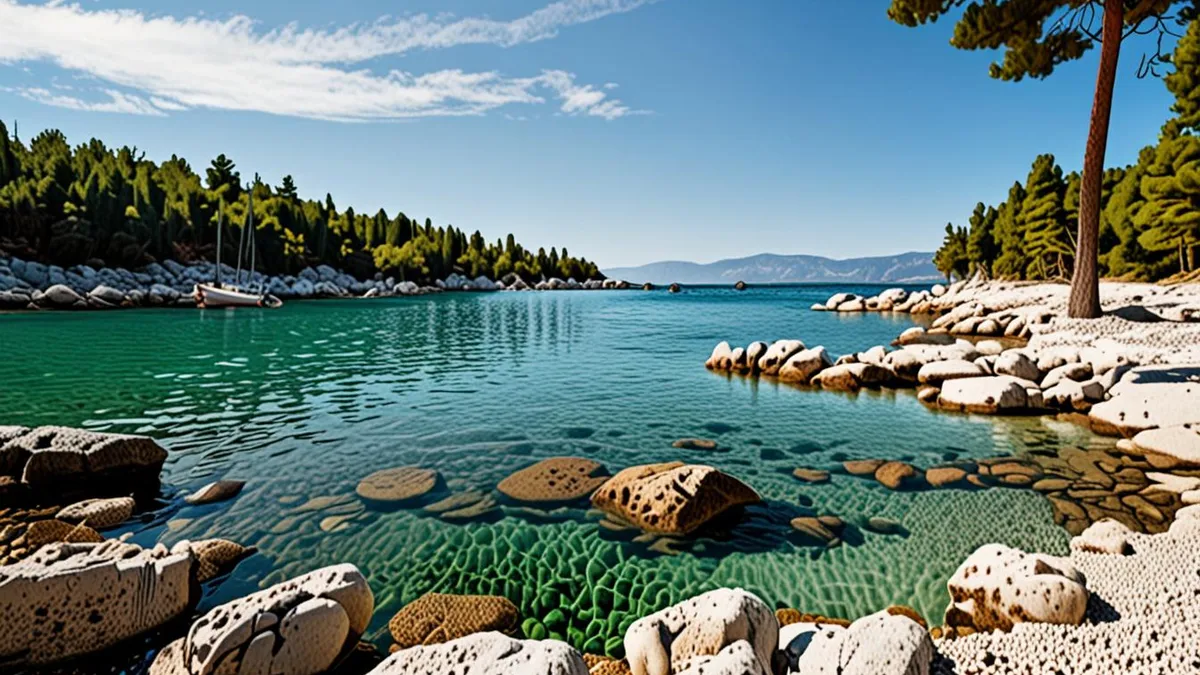
You don’t have to travel in peak season to enjoy the Adriatic. The shoulder months of May, June and September offer milder crowds and lower prices, and for many travelers they’re actually the better experience. The sea is the same, the old towns are the same, and restaurant terraces are far easier to get a table on.
Early June and late September are the standouts. In both windows, sea temperatures are genuinely warm enough for swimming, yet rates sit noticeably below their July–August levels. Late September in particular has a loyal following among repeat visitors to the coast: calm seas, warm water, and towns that have relaxed back into local rhythm after the peak.
May works slightly differently. The sea can still be brisk early in the month, so it suits city-focused itineraries in Split and Zagreb best. You can explore Diocletian’s Palace or the Croatian capital without beach crowds, and use the trip to scout coastal destinations for a return visit later in the year.
- Shifting by a few days matters: September weekdays are typically cheaper than weekends even within the season, so a Tuesday-to-Friday stay can cost meaningfully less than the same nights spanning a weekend.
- Early June beats late June: the closer you get to July, the faster availability tightens, so the first half of June offers the best balance of warm weather and open booking calendars.
- Shoulder months favor flexibility: with more rooms free, you can often book closer to arrival and still choose your preferred hotel, something nearly impossible in peak season.
Choosing Where to Stay Along the Coast
Where you base yourself along the Croatian coast matters almost as much as when you book. The same week in July can carry very different price tags depending on the town, the neighborhood and how much hotel stock exists there.
Dubrovnik: the priciest stretch of coast
Dubrovnik’s old town commands the highest prices on the Adriatic, and rooms with views over the walls or the harbor sell out first. If you want to stay inside or right beside the old town in July or August, expect to book early and pay a premium for the location itself.
Nearby Lapad and Babin Kuk are calmer alternatives on the peninsula west of the center. Both offer beaches, promenades and regular bus connections into the old town, usually at more manageable rates. Staying there gives you the Dubrovnik experience without competing for the handful of rooms inside the walls.
Split and the islands
Split works well as a base if you want variety from a single hotel. Frequent ferries and catamarans make island day trips to Hvar and Brač easy, so you can swim on a different island each day and return to the mainland in the evening. Hotel availability in Split also tends to hold up longer than on the islands.
Hvar is the exception. Hotel stock on the island is limited, and the most popular properties fill their summer calendars months in advance. If an island stay in Hvar is the centerpiece of your trip, treat it as the first booking you make — before flights, before everything else.
How to Secure the Best Rate Once You’ve Picked Dates
Once your dates are set, a few practical habits can save you a meaningful amount on a Croatian summer stay. The Adriatic coast in July and August is one of Europe’s most competitive hotel markets, and rates there typically run 40–60% higher than in May or late September. That price gap makes smart booking technique genuinely worthwhile. The key is to combine early booking with a bit of flexibility, rather than locking in the first rate you see.
- Book a refundable rate early. Secure a room in the 3–6 month window when availability is still good, and choose a rate you can cancel. This guarantees you a bed in a competitive market while keeping your options open if plans change.
- Recheck prices closer to arrival. Hotel rates move. If the same room drops in price a few weeks before your trip, cancel the original booking and rebook at the lower rate. It takes five minutes and costs nothing if your rate is flexible.
- Shift your dates toward the shoulder edge. Compare stays across the edge of the peak period. Moving a trip by just 3–4 days — from mid-July into early July, or from late August into early September — can noticeably cut costs while the weather barely changes.
- Watch the cancellation windows. Flexible rates usually cost 10–20% more than non-refundable ones. Note when the free-cancellation deadline falls, and decide before that date whether you are committed.
This same logic of booking early with flexibility applies well beyond Croatia. Travelers comparing what Irish castle hotels cost and how to book them smartly will recognize the pattern: secure the room early, keep the rate refundable, and recheck before the cancellation window closes. The same discipline works on the Adriatic.
Last-Minute Options If You’re Already Late
If summer is already close and you have not booked, do not panic — but do adjust your expectations. Late availability in Croatia depends heavily on where you look, and the mainland is far more forgiving than the islands.
Split, Zagreb and smaller mainland towns typically have the best late availability. City hotels in Split and Zagreb generally free up closer to arrival than island resorts, and mainland towns away from the marquee destinations often have rooms even in August. If your dates are fixed and your destination is not, this is where you should search first.
Dubrovnik and Hvar are the hardest places to book late. Within roughly six weeks of a July or August trip, expect limited choice, and be prepared to compromise on location or price if anything is left at all.
When hotels are full, widen your search to other accommodation types:
- Private apartments are abundant along the coast, especially in family-run buildings where owners rent out one or two units — many sit within walking distance of beaches that hotels charge a premium to be near.
- Guesthouses and rooms in private homes are a long-standing Croatian tradition, often cheaper than hotels and sometimes including a homemade breakfast.
- Rooms slightly inland or a short bus ride from the center can cost noticeably less than beachfront properties, which matters most in Dubrovnik where the old town premium is steep.
One last tip: check ferry and catamaran schedules before committing to a late island booking. If you end up staying on the mainland, good connections make it easy to still enjoy a day trip or two across the water.
Wrapping Up Your Croatia Booking Timeline
So, has everything worth booking already gone, or is there a case for holding out? If your dates fall in July or August, waiting rarely pays off — popular Dubrovnik and Hvar summer hotels often sell out 4–6 months ahead, and rates in peak season typically run 40–60% higher than in May or late September. The safest answer to the question is to book 3–6 months before travel for most coastal towns, and earlier still for those two hotspots.
If you have flexibility, the shoulder months of May, June and September cut both costs and crowds, and Split and Zagreb hotels generally free up closer to arrival than island resorts. Whatever you choose, flexible, refundable rates protect you if plans change. If this helped you plan your trip, leave a comment or share the article with a fellow traveler.