Most travelers assume glamping is a warm-weather activity, so they miss out on Europe’s cosiest and quietest season under canvas. Winter glamping in Europe swaps crowded campsites for snow-covered landscapes, wood-burning stoves and hot tubs under starry skies — and January stays can be far easier to book than you might expect.
This guide walks you through why a cold-season trip is worth trying, the best regions from the Alps to the Nordic countries, and how to pick a stay type that actually keeps you warm. You’ll also find advice on when to book and what rates look like, what to expect on site in winter, how to pack for big temperature swings, and a wrap-up to pull your plans together.
Why Winter Glamping in Europe Is Worth Trying
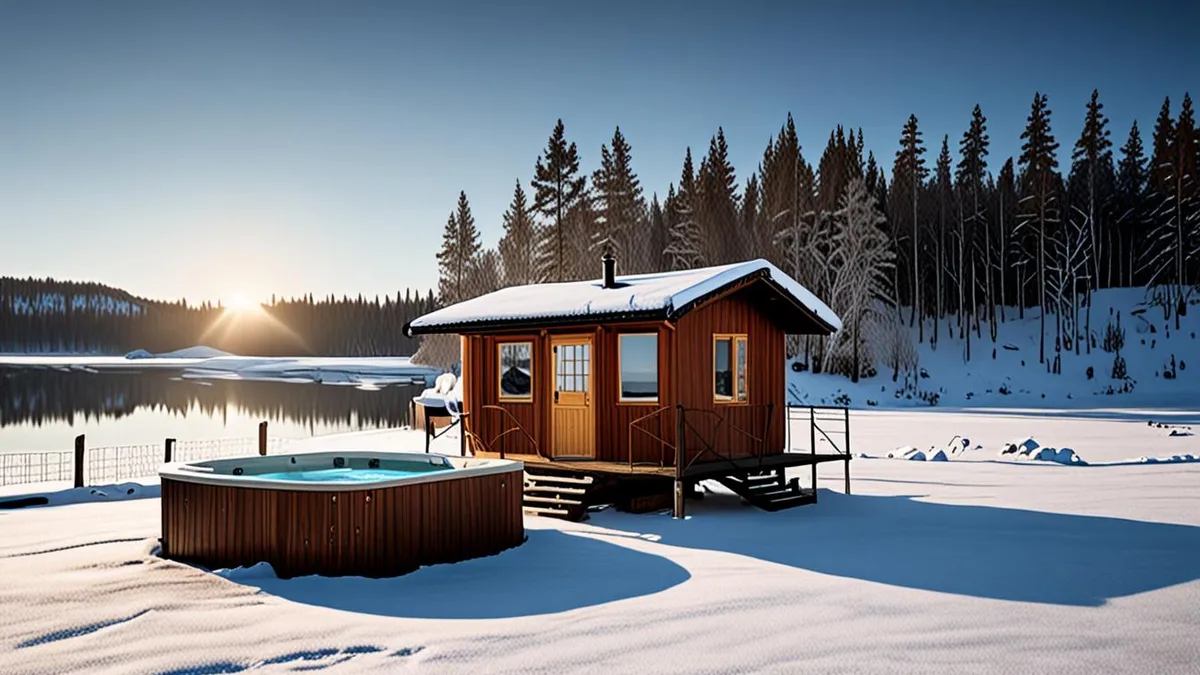
If your only image of glamping involves mosquito coils and heatwaves, winter will change your mind. Picture waking up in an insulated dome with snow on the trees outside, then stepping into a private hot tub as steam rises into cold evening air. Add wood-burning stoves, long dark nights for stargazing, and landscapes that are dramatically quieter than in July, and the appeal becomes obvious.
The crowds are the biggest surprise for most first-timers. Popular summer sites can feel busy and book out months in advance, while a January stay often means you have the hot tub, the viewing deck and the surrounding trails almost to yourself.
Softer rates outside the festive rush
Demand peaks over Christmas and New Year, but January and February tell a different story. With fewer travelers looking for midwinter breaks, availability is generally better and rates tend to soften, which makes it a smart window if you have flexible dates. Check current pricing directly with sites, as it varies by region and property.
One practical difference matters most: winter stays favour solid structures. Insulated domes, cabins and lodges replace the airy summer tents of the warmer months, giving you proper walls, real heating and a genuinely comfortable night even when temperatures drop below zero.
Best Regions for Winter Glamping in Europe
Where you go shapes the whole character of a winter glamping trip, from how much snow you’ll see to how many hours of daylight you get. Broadly, Europe splits into three options: snowy mountain sites, dark-sky Nordic destinations, and mild southern escapes. The season in most of Europe runs roughly November to March, though alpine and Nordic sites often operate December to March with peak demand over the holidays. Your choice also affects practical things like packing, driving conditions and how far in advance you need to plan, so it pays to match the destination to the kind of trip you actually want.
If you’re comparing regions and seasons more broadly, it can help to read about the best seasons for glamping in the UK and when to book, since the same shoulder-season logic applies across much of Europe.
- The Alps (France, Austria, Switzerland, Slovenia): expect snowy geodesic domes and chalet-style cabins, often close to ski areas and winter walking trails, so you can combine a cozy base with active days on the slopes or snowshoes.
- Nordic countries (Norway, Finland, Sweden): glass-roofed lodges let you watch for the northern lights from bed, but December brings only 4-6 hours of daylight, so plan sightseeing and activities around a very short window of light.
- Mild southern options (Andalusia, the Algarve, Sicily): daytime highs of 15-18°C make for gentle hiking and sightseeing weather, and you can often still enjoy outdoor terraces and sea views without needing heavy winter gear.
A good rule of thumb: choose the Alps for classic snow scenes, the north for aurora chances, and the south if you’d rather skip the cold entirely. Think about what matters most to you — snow, darkness for stargazing, or comfortable daytime warmth — and let that guide the region before you start comparing individual sites.
Choosing the Right Stay Type for Cold Weather
Your choice of structure matters far more in January than in July, because it decides whether you sleep warm or spend the night shivering in layers. For most travelers, especially first-timers, the safest bet is a well-insulated geodesic dome or log cabin. These maintain indoor temperatures around 18-22°C even in sub-zero conditions, so you get that “sleeping close to nature” feeling without any of the misery.
When to be cautious with tents and yurts
Safari tents and yurts are mostly summer structures. Canvas walls that feel delightful in June offer little insulation against frost, so only book one in winter if the site explicitly confirms proper heating and insulation — ask directly rather than assuming a listing photo tells the whole story. If you’re weighing up the options, this comparison of yurts, safari tents and cabins breaks down how each stay type behaves in different conditions.
Glass-roofed lodges for dark-sky trips
If your trip is built around the northern lights or serious stargazing, a glass-roofed lodge is hard to beat: you can watch the sky from a heated bed instead of standing outside in the cold. The trade-off is demand. These lodges book up furthest in advance of any winter stay type, so if an aurora trip is on your list, reserve early rather than hoping for last-minute availability.
When to Book and What Winter Rates Look Like
Timing matters more for a winter glamping trip than for a summer one. If your heart is set on Christmas or New Year, book three to six months ahead. Festive dates are the busiest stretch of the season, and the most popular domes and cabins with hot tubs often sell out long before the snow arrives.
January and February are far more forgiving. Demand drops once the holidays are over, so you can typically book a month or two out and still find good availability. That said, if you want a specific site or a specific view, earlier is still safer.
What you can expect to pay
Most winter glamping stays in Europe fall somewhere between €120 and €350 per night, depending on the region and what comes with the accommodation. A simple insulated dome in a quiet spot sits at the lower end, while cabins with private hot tubs and saunas push toward the top. The extras are what drive the price up, so decide before you book which ones you actually need.
Here is where a little flexibility pays off. Midweek stays in January often cost 20 to 30 percent less than the same site over the festive dates. You get the same snow, the same stove crackling away and the same hot tub, without the peak-season price tag. If your schedule allows it, a Sunday-to-Thursday break is usually the sweet spot.
One last tip: rates change from year to year, and some sites add minimum-stay requirements over the holidays, such as a three- or four-night booking. Always check the current prices and conditions directly with the site before you commit.
What to Expect On Site in Winter
Winter glamping sites are built around warmth. Heated interiors are the baseline, and most well-insulated domes and cabins keep indoor temperatures around 18-22°C even when it’s well below freezing outside. A wood-burning stove is common in cabins and lodges, and many hosts stock firewood — though it’s smart to ask how much is included and whether extra logs cost anything. Private hot tubs and saunas appear frequently, especially in Alpine and Nordic locations, and they’re often the highlight guests mention most.
Daylight shapes your whole stay. In Nordic destinations, December brings only 4-6 hours of daylight, and even central Europe gets 8-10 hours. That means your outdoor time — hikes, snowshoeing, village visits — needs to happen in a compact midday window. Long evenings are for the stove, the sauna and the hot tub, so plan your days around an early start rather than a late one.
Access deserves a check before you book. Snow can change how you reach a site, and some rural locations sit down unpaved lanes that aren’t plowed regularly. Ask the host directly rather than guessing.
- Confirm whether the final stretch to your unit is by car, on foot, or via a shuttle or snowmobile transfer — some mountain sites ask guests to park below and walk the last few hundred meters.
- Ask if paths, stairs and decks between your accommodation and shared facilities are cleared and gritted after snowfall, since icy walkways are the most common minor mishap on winter sites.
- Check whether the wood stove needs lighting each morning or whether there’s backup electric heating, so you don’t return from a walk to a cold dome.
- If a hot tub or sauna is shared rather than private, ask how it’s booked between guests and how far it is from your unit in the dark.
- Find out where the nearest open shop or restaurant is — some sites are self-catering only, and winter closures in small villages are common.
Packing for a Cold-Season Glamping Trip
Packing for a winter glamping trip is a different exercise from packing for a summer one, even if the accommodation is the same. The biggest difference is layers. Start with proper thermal base layers — merino wool works well — then add a warm mid-layer and a windproof, waterproof outer shell. You will thank yourself when you are standing outside at dusk watching the snow fall. Waterproof boots with good grip matter too, since paths around glamping sites are often gravel or grass and can turn icy or muddy.
One item many first-timers forget is a head torch. Winter sunsets come early, especially in the north where December daylight can shrink to 4-6 hours, and many sites keep outdoor lighting deliberately low to preserve the night sky. A head torch leaves your hands free for carrying firewood, dinner supplies or a thermos back from the hot tub. Pack spare batteries and a small backup light as well.
Dressing for two very different climates
The trickiest part of winter glamping is that you are really packing for two climates at once. Inside a well-insulated dome or cabin, you can expect around 18-22°C — t-shirt and slippers weather. Step outside, and temperatures can easily be 20°C or more colder, sometimes well below freezing. That swing means you need cozy indoor clothing and serious outdoor gear in the same bag, plus something easy to pull on and off for repeated trips between the two. Slippers or thick socks for inside, and boots you can wrestle on quickly, will make life much easier.
If you want a full checklist that works year-round, this guide to what to pack for a glamping trip covers the essentials in detail. For winter specifically, add hand warmers, a thermos, and a spare pair of socks — wet feet are the fastest way to ruin an otherwise perfect snowy evening.
Wrapping Up Your Winter Glamping Plans
Winter glamping turns out to be one of Europe’s best-kept travel secrets. The season runs roughly November to March, with the Alps and Nordic countries delivering proper snow and the south offering mild, gentle weather instead. Choose an insulated dome or cabin for a comfortable stay, and book 3-6 months ahead if you’re set on festive dates.
Budget somewhere in the €120-€350 per night range, and pack for real temperature swings between your heated interior and the cold outdoors. With that sorted, you’re ready to enjoy Europe’s quietest, cosiest season under canvas. Have a winter glamping trip planned, or a favorite spot of your own? Leave a comment or share this article with a fellow traveler.