Choosing the best areas to stay in Banff is trickier than it looks on a map. Lodges here are scattered across very different pockets of the park: a compact downtown core, forested slopes above town, a quiet river bend by the castle, and remote edges near Lake Minnewanka. Pick the wrong pocket and you can add a daily drive to every outing or pay downtown prices for a view you barely use.
This guide compares each lodge region in plain terms: what it costs, how far it is from restaurants and trailheads, and who it suits best. We’ll also cover seasonal rate patterns and booking windows, then finish with a simple way to match your base to your trip style and budget.
Why the Best Areas to Stay in Banff Depend on Your Trip Style
Banff’s lodge regions aren’t interchangeable, and the right one depends almost entirely on how you plan to spend your days. The townsite is small, but the park around it is not, so where you sleep shapes how much time you spend driving versus doing.
If you want to walk everywhere
Prioritize the downtown core. Restaurants, cafés, gear shops and tour desks sit within a 10-minute walk of most downtown hotels, which means you can leave the car parked (or skip renting one entirely) and still cover a lot of ground. For short stays of two or three nights, this convenience often outweighs the higher price.
If scenery comes first
Look to the outskirts. Lodges on the edges of the park trade walkability for mountain views, bigger lots and genuine quiet, and they usually cost less than downtown rooms of similar quality. You’ll drive to town for dinner, but you’ll wake up to trees and peaks instead of a street.
Hikers and skiers have a third filter: map your main trailheads or ski shuttle stops before booking. A lodge that looks central on a map may still sit 20 minutes from the trail you actually want, so work backwards from your daily plans rather than from the townsite itself.
Downtown Banff: Convenience at a Premium
Downtown Banff is the compact heart of the townsite, sitting at about 1,383 m elevation in Banff National Park, and its main selling point is simple: you can reach nearly everything on foot. Restaurants, cafes, rental shops and the shuttle connections for the Banff Gondola (about 2 km away) all sit within an easy walk of most downtown hotels. For car-free travelers, this is the most practical base in the park, and it also makes short shoulder-season visits feel effortless since you lose no time to parking or driving.
The trade-off is price and noise. Downtown rooms command some of the highest rates in the area, typically CAD 400-600 per night in summer, and properties along Banff Avenue can carry street noise well into the evening. If you’re a light sleeper, ask for a room facing away from the main strip, or choose a hotel on a quieter side street just off the avenue. Booking early also helps here, since the most convenient rooms tend to go first.
This area best suits first-time visitors and anyone relying on Roam transit instead of a rental car. A few things worth knowing before you book:
- Roam transit stops are close by. Local buses connect downtown to major attractions, so you can skip parking fees and daily driving altogether.
- Evening dining is steps away. You can walk to dinner and back without planning around a drive, which matters after long days on the trails.
- Rooms run smaller. Downtown buildings are compact, so expect standard hotel rooms rather than the spacious lodge suites you’ll find on the outskirts.
Tunnel Mountain and the Benchlands: Quiet with Easy Access
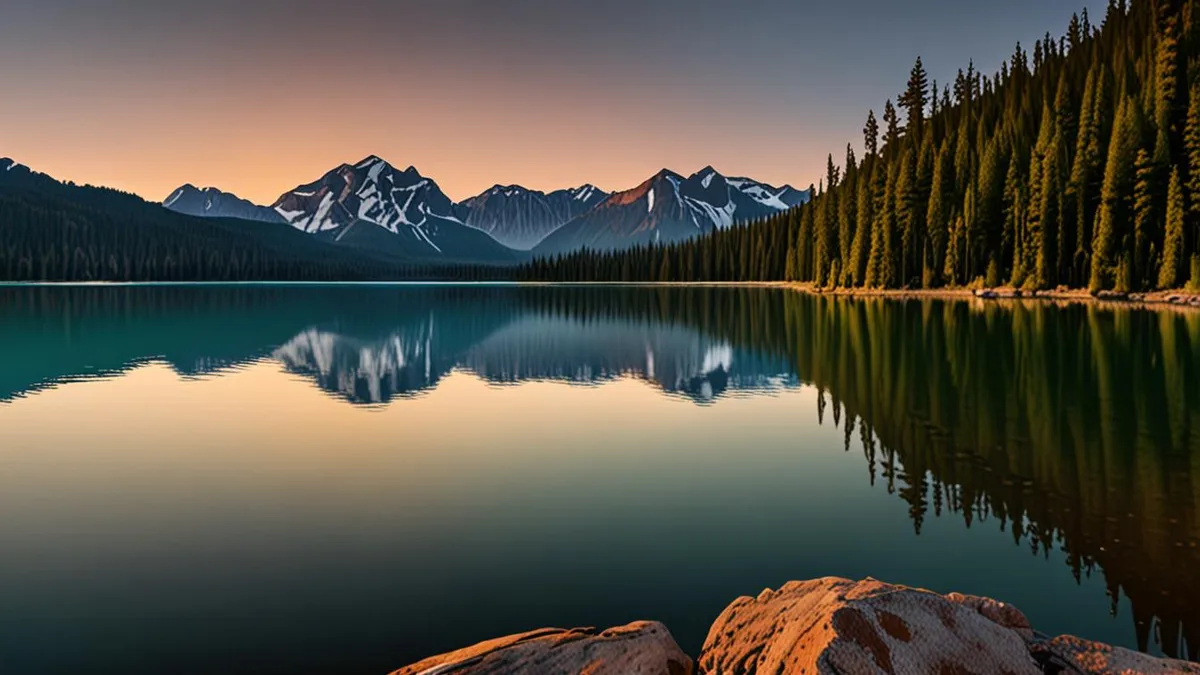
The slopes of Tunnel Mountain and the Benchlands form a quiet residential pocket just uphill from the townsite. Lodges here sit roughly 1-3 km from downtown, close enough to walk into town for dinner but far enough up the hill to trade street noise for forested, hilly surroundings and glimpses of peaks between the trees.
Why families and longer stays choose it
Many properties in this area offer kitchenettes or small kitchens, which makes a real difference on stays of a week or more. Cooking a few breakfasts and dinners trims a food budget that can climb quickly in a park town, and families appreciate having space to spread out after a day outdoors.
What it costs
Summer rates here typically run CAD 300-450 per night, slightly lower than comparable downtown rooms. You give up a bit of convenience for that saving, but the walk or short drive to town rarely takes more than a few minutes.
The setting also works in your favour for early mornings: trailheads on Tunnel Mountain itself are close by, and you’re well positioned for drives toward Lake Minnewanka without crossing through downtown traffic. If you want a lodge feel, a bit of green around you, and reasonable access, this pocket is the most balanced base in Banff.
Bow Falls and Banff Springs Area: Views and Golf-Course Calm
The Bow Falls and Banff Springs area sits just south of the Bow River, in the pocket of land that wraps around the famous castle-style hotel and its surrounding golf course. From here, you get some of the most recognizable views in the park: the river bending through the valley with the grand hotel rising above it. Downtown Banff is still close, roughly 2-3 km away, so a meal in town remains an easy outing rather than a full expedition.
What sets this area apart is the calm. The golf-course setting means wide open lawns, mature trees and far less foot traffic than Banff Avenue. In spring and autumn especially, the river valley along this stretch is a reliable place to spot elk in the evenings, often grazing right beside the paths. Bring a telephoto lens if you have one, but keep a respectful distance; these are wild animals, not park residents.
Who this area suits best
Couples and photographers tend to get the most out of this pocket. The views justify the premium, and the quiet evenings feel romantic in a way the downtown core rarely does. The practical trade-off is access: you will want a car, or you need to be comfortable with a short walk or drive into town, especially after dark or in cooler months. If your itinerary revolves around restaurants and nightlife, this may feel a step too removed. If your idea of a good evening is a riverbank walk with mountain light and the occasional elk sighting, it is hard to beat.
Lake Minnewanka and the Outskirts: Seclusion and Value
Head northeast out of town toward Lake Minnewanka and the character of your stay changes completely. Lodges out here sit on larger plots at the park’s edges, trading walkability for space, silence and noticeably lower rates than anywhere closer to the townsite. You will hear wind in the trees rather than traffic, and many properties back directly onto forest. Some also add extras you rarely find downtown, such as fire pits, bigger rooms and parking right outside your door, which makes unpacking and early departures far easier.
The trade-off is simple: a car is essential out here. Allow 10-20 minutes to reach downtown Banff for dinner, groceries or the Roam transit connections, and plan your evenings around that drive rather than a casual stroll. In exchange, you get a base that works beautifully for early starts, since you are already pointed toward the park’s quieter corners. Just check whether your lodge has kitchen facilities, because eating out every night means repeating that drive.
- Early cruise starts: being close to Lake Minnewanka means you can arrive for a morning boat tour without a pre-dawn drive from town, giving you first pick of departure times and calmer water for photos.
- Quick access to the Lake Louise road: Lake Louise is about 40 km away, a 30-40 minute drive, so an outskirt base shaves precious minutes off one of the park’s most competitive early-morning parking scrambles.
- Wildlife on the doorstep: the roads toward the park edges cross some of the best elk and deer habitat in the valley, so even the drive to breakfast can turn into a sighting.
If your days are built around trailheads, boat launches and scenic drives rather than restaurant crawls, this is where your budget stretches furthest. Book early for summer, since the few properties out this way fill quickly, and confirm current rates directly with lodges before you commit.
When to Book: Seasons and Rates for Banff Lodges
Timing your booking matters as much as picking your area. Banff’s peak season runs from late June to early September, and during those weeks the best lodges fill far in advance. Book 4-6 months ahead if you want real choice, especially for summer weekends. Expect summer lodge rates across the Banff area to typically range from CAD 250-600 per night, with the downtown core and view properties at the top of that range.
Winter: the value season
From December to March, lodge rates drop to roughly 30-50% below summer peaks, and the town takes on a different rhythm. This is the season for Johnston Canyon ice walks, skiing at the nearby resorts and skating on frozen ponds, and you will rarely struggle to find a room a few weeks out. Pack for serious cold, but enjoy the quiet trails.
Shoulder months: the sweet spot
May-June and September-October combine lower prices with open trails and thinner crowds. Early autumn is a particular favorite: larches turn gold at higher elevations, wildlife is active, and the summer rush has passed. The catch is unpredictability, since snow can arrive early at altitude and some seasonal services wind down. If your schedule is flexible, these months deliver the best balance of cost, weather and elbow room, and even peak-season properties sometimes have last-minute availability.
Choosing Your Banff Base
Banff’s lodges are scattered across distinct corners of the park, and the area you choose shapes your whole trip. Pick the wrong one and you can add daily driving you never planned for, or pay downtown rates for a view you barely use. The fix is simple: match the area to how you actually travel.
Downtown suits walkability, Tunnel Mountain balances quiet with access, Bow Falls adds views, and the outskirts deliver value. Use the rate ranges and booking windows covered in the sections above to line up your season and budget, whether that means reserving months ahead for peak summer or sliding into the shoulder months for lower prices and open trails. The right base keeps driving short and lets the park, not the commute, fill your days. If this helped you plan, leave a comment or share the article with a fellow traveler.