Scotland is bigger and more varied than most first-time visitors expect, and that variety cuts both ways. Pick the wrong region for your lodge stay and you can find yourself hours of driving away from the lochs, glens or coast you came for. A lodge near Perthshire and a lodge on Skye are two very different trips.
This guide breaks down lodge stays in Scotland by region, so you can match your base to what you actually want to do. We compare the Great Glen around Loch Ness, the Cairngorms, Skye and the west coast, and the easy escapes of Perthshire and Loch Lomond. You’ll also find advice on when to book, what lodges cost at different times of year, and how to choose the right Highland base for your trip length and travel style.
Why Lodge Stays in Scotland Suit a Highland Trip
A lodge puts you where the scenery is. Instead of driving out from a town hotel each morning, you step out of the door and onto forest tracks, shoreline paths or hill trails. That direct access to lochs, glens and walking routes is the main reason lodge stays work so well for a Highland trip, and it’s something hotels in Inverness or Fort William simply can’t match.
Space and flexibility for every type of traveler
Self-catering lodges shine for groups and families. You get a full kitchen, several bedrooms and a living room to spread out in, which keeps costs down on longer trips and makes early starts easier when you want to beat the crowds on a popular trail. Couples, on the other hand, often prefer lodge rooms with an on-site restaurant, where you get the seclusion of a rural setting without having to cook after a day of hiking.
Many Highland lodges sit on private estates, and that brings a real bonus: access to woodland, rivers or shoreline that day visitors never see. Some estates have kilometers of private paths, and a few offer fishing or wildlife watching right on the doorstep. Check what’s included when you book, because estate access varies from one property to the next.
Loch Ness, Inverness and the Great Glen
If this is your first Highland trip, the Loch Ness and Great Glen area is the most forgiving base. You get castle visits, loch cruises and well-signposted driving routes all within a short radius, and the road links are among the easiest in the Highlands. Urquhart Castle near Drumnadrochit and the loch cruise operators around Fort Augustus give you the classic Highland experiences without complicated planning.
An easy first stop on a Highland loop
Inverness and Loch Ness sit roughly 3 hours’ drive from Edinburgh, which makes the area a practical first stop if you’re looping up from the central belt. You can leave the city in the morning, be on a lochside trail by early afternoon, and still have time for a castle visit. From here, routes north to the far coast or west toward Skye are straightforward.
The lodge choice here is broad. You’ll find simple lochside cabins with jetties and water views, as well as larger estate lodges set back in woodland near Drumnadrochit and Fort Augustus. Families tend to favor the cabins for the space and the shore access, while couples often pick estate lodges for the quieter setting. Whatever you choose, book early for summer dates, as the best-located lochside properties go first.
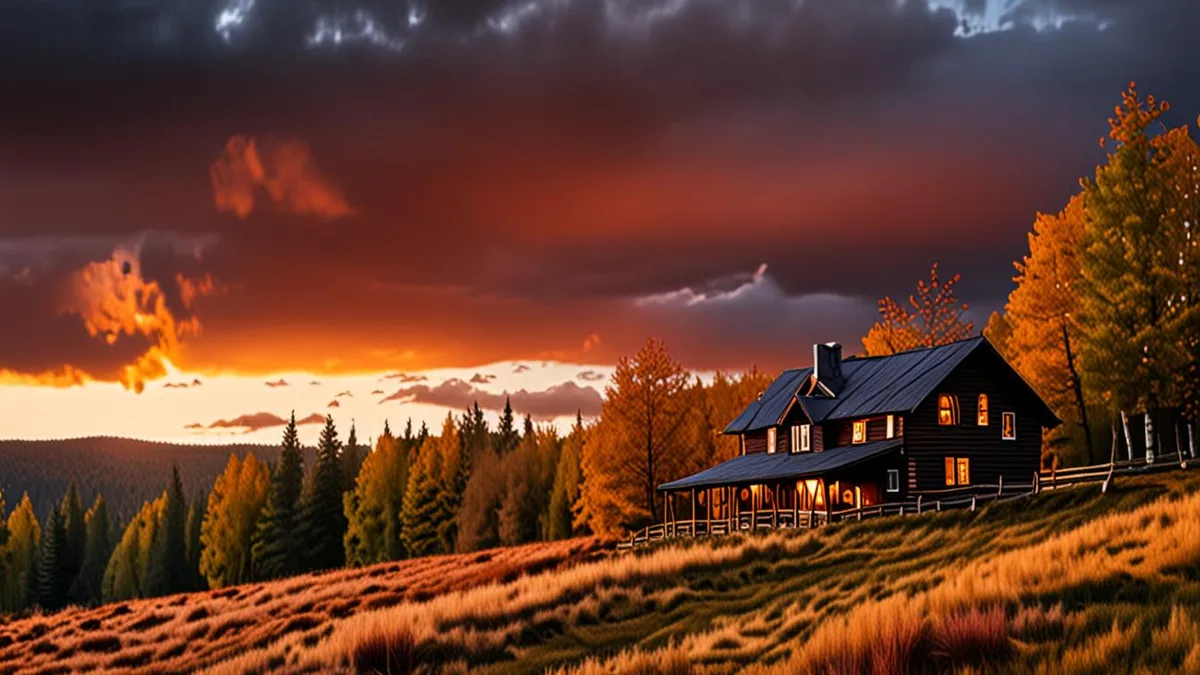
The Cairngorms: Forests, Wildlife and Year-Round Lodges
The Cairngorms National Park covers over 4,500 square km, making it Britain’s largest national park, and its scale shows in the variety of lodge locations. Most visitors base themselves around Aviemore, Rothiemurchus or Grantown-on-Spey, three hubs surrounded by ancient Caledonian pine forest, rivers and high plateau. Aviemore works well if you want shops and restaurants within walking distance, while Grantown-on-Spey suits travelers who prefer a quieter, more traditional town.
Wildlife is the Cairngorms’ biggest draw. The old pine forests hold red squirrels and capercaillie, deer are common on the forest edges and open hills, and the area is one of the few places in Britain where you can see a herd of reindeer. Bring binoculars and ask lodge hosts about local viewing spots, since they usually know exactly where the squirrels and deer show up.
Why the Cairngorms work in every season
Few Highland regions justify a lodge stay year-round like this one. Summer brings long days for hiking and mountain biking on an extensive trail network, while winter turns the higher slopes into snow sports terrain. The east coast of Scotland is largely midge-free, which is another quiet advantage over the west in summer.
- Rothiemurchus forest trails: waymarked routes through old-growth pine that suit all fitness levels, ideal for a morning walk straight from your lodge door.
- Cairn Gorm in winter: the mountain gives access to snow sports when conditions allow, so check snow and lift status with local operators before planning a ski day.
- Speyside surroundings: the Spey valley near Grantown adds riverside walks and puts you within reach of whisky country for rest days.
Skye and the West Coast: Scenery Worth the Drive
Few places in Scotland deliver scenery like Skye and the west coast. The jagged Cuillin mountains, sea cliffs at Neist Point and the Quiraing, and lochs that meet the Atlantic make this the most photographed corner of the Highlands. Coastal lodges here often sit right on the shoreline, so you can watch the light change over the water without leaving your deck.
The trade-off is distance. From Edinburgh, expect around 5.5 to 6 hours of total driving, including the final stretch on single-track roads where you will need to use passing places. Split the journey with a stop in Glencoe or Fort William if you want to arrive relaxed rather than worn out.
Booking ahead matters most on Skye
Skye accommodation sells out faster than anywhere else in Scotland. For a summer stay, book 6 to 9 months ahead, and even then be flexible on exact villages. Portree, Carbost and the northern coast around Uig all fill up early. If you are comparing lodge styles and what a full-service stay includes, this piece on what to expect at an all-inclusive lodge offers a useful point of comparison for how lodge dining and services can differ.
One practical warning for summer evenings: midges peak from June to August on the west coast. Pack a head net and insect repellent, and favor lodges with good window screens or covered outdoor seating. On calm, damp evenings the midges can be relentless, especially near water and woodland.
Perthshire and Loch Lomond: Easy Escapes from the Cities
If your trip is a long weekend rather than a full Highland expedition, Perthshire and Loch Lomond are the easiest options. Both sit within 1 to 2 hours of Glasgow and Edinburgh, which makes them ideal for short breaks of 2 to 3 nights without spending half your time on the road.
Water on one side, whisky country on the other
Loch Lomond lodges suit travelers who want water activities at their doorstep. Kayaking, boat trips and lochside walks are all easy to arrange from villages like Luss and Balmaha, and many lodges here have private jetties or direct shore access.
Perthshire, by contrast, is a landscape of glens and forests. The area around Pitlochry, Dunkeld and Glen Lyon suits forest walks, river trails and whisky country, with several well-known distilleries within easy reach. It is a gentler kind of Highland scenery, and often a quieter one.
There is also a budget argument. For comparable quality, lodges here generally run £20 to £50 per night cheaper than Skye or the far northwest. That difference adds up over a week, and it means you can often upgrade to a larger lodge or a better view without stretching your budget.
When to Book Lodge Stays in Scotland
Timing your booking matters as much as choosing the region. June to August brings peak prices and the longest days, which is why it draws the biggest crowds. May and September offer similar weather with fewer people on the trails, plus calmer lodges and quieter roads. If you want the pick of the best properties in peak season, plan well ahead rather than leaving it late.
For shoulder-season trips, booking 2 to 3 months in advance usually secures a good lodge at £120 to £250 per night, leaving room in the budget for dinners out or an extra night. If you are weighing booking windows for a very different kind of trip, this guide to when to book lodge stays in Lapland for the northern lights shows how far ahead winter lodges need planning.
A few practical points to keep in mind when you set your dates:
- Daylight shapes your itinerary. In June and July you get very late sunsets, ideal for long evening walks from your lodge door; in the far north around the December solstice, days last under 7 hours, so winter trips need realistic daily plans.
- Midges dictate west coast comfort. They are worst from June to August in the west Highlands, so if you dislike them, shift to May, September, or choose east coast areas like the Cairngorms, which are largely midge-free.
- Shoulder season stretches your budget further. In May or September, the same lodge that commands peak rates in July often costs noticeably less, and the weather can still be mild enough for full days outdoors.
- Book by region, not just by date. Skye properties sell out earliest; Perthshire and Loch Lomond lodges often have more availability closer to your travel dates, making them safer choices for spontaneous short breaks.
Choosing Your Highland Base
The Highlands are simply too big to see from one lodge, so match your region to what you actually want from the trip. If it’s your first Highland visit, the Great Glen keeps castles, loch cruises and easy road links close by. Hikers and wildlife fans will get more out of the Cairngorms, while scenery seekers chasing dramatic mountains and sea cliffs should head for Skye, accepting the longer drive and earlier booking window.
Shorter trips work best from Loch Lomond or Perthshire, where you can be out of the city and into a lodge within a couple of hours. Whatever you choose, line up your region, season and booking window with the length of your stay, and your lodge becomes a base that puts the scenery on your doorstep rather than hours away. If this helped you plan your Highland trip, leave a comment or share the article.