Anyone planning glamping in the UK eventually asks the same two questions: which months actually deliver good weather, and how far in advance do you need to book before the best sites are gone? Both matter more than most first-timers expect, because the answers change everything about what your trip will cost and feel like.
This guide walks through each season in turn, from spring bluebells to heated winter cabins, then breaks down booking lead times so you know exactly when to commit. Whether you’re weighing a July yurt against a quiet September cabin, the sections ahead cover why timing matters, what each season offers, and how to lock in the right dates at the right price.
Why Timing Matters for Glamping in the UK
Glamping is only as good as the timing behind it, and nowhere is that truer than in the UK. The country’s famously changeable climate means the same yurt that feels idyllic on a June evening can feel downright miserable in a wet February. You’re not booking a hotel room with solid walls and reliable heating; you’re booking an experience that lives or dies by the weather and the season around it.
Price swings are significant
The financial case for timing well is just as strong. Prices for the same unit can swing by 20–40% between peak weekends and off-peak midweek dates, so simply shifting your stay from a Saturday to a Tuesday can turn a splurge into a bargain. That’s a meaningful saving on a typical UK glamping trip, which usually runs £60–£150 per night for a couple.
Availability is the real constraint
But money aside, availability is the biggest reason to plan ahead. The best sites, the ones with the hot tubs, the viewpoints and the immaculate facilities, sell out long before casual planners expect. Decide in April that you’d like a popular site for an August bank holiday weekend and you’ll likely be choosing from the leftovers. The rest of this guide breaks down what each season offers and exactly how much lead time it demands.
Spring Glamping: April to May
Spring is when the UK countryside shows off, and it’s arguably the most underrated time for a glamping trip. From April to May, daytime temperatures typically sit at a comfortable 10–18°C, daylight stretches well into the evening, and woodland sites hit their peak: this is bluebell season, when the forest floors across England and Wales turn a deep, vivid blue. Waking up in a tent pitched among them is a genuinely memorable experience.
Prices and availability work in your favor
Spring sits outside the peak summer rush, so rates are noticeably lower than June to August and availability is far more forgiving. If you book 2–4 months ahead, you should have a good choice of sites and units, even at well-regarded places. For spontaneous travelers, some sites still have gaps closer to the date, though the most popular spots fill first.
Who spring suits best
The honest caveat is that spring isn’t reliably warm. Evenings can be distinctly cool, and showers are a regular feature of April and May, so pack layers and a waterproof. Spring is best suited to travelers who are happy with cooler evenings and the occasional damp morning in exchange for quiet trails, fresh green countryside and lower prices. If that trade sounds fair, May is the standout month, combining long daylight with some of the lowest rainfall of the warmer months.
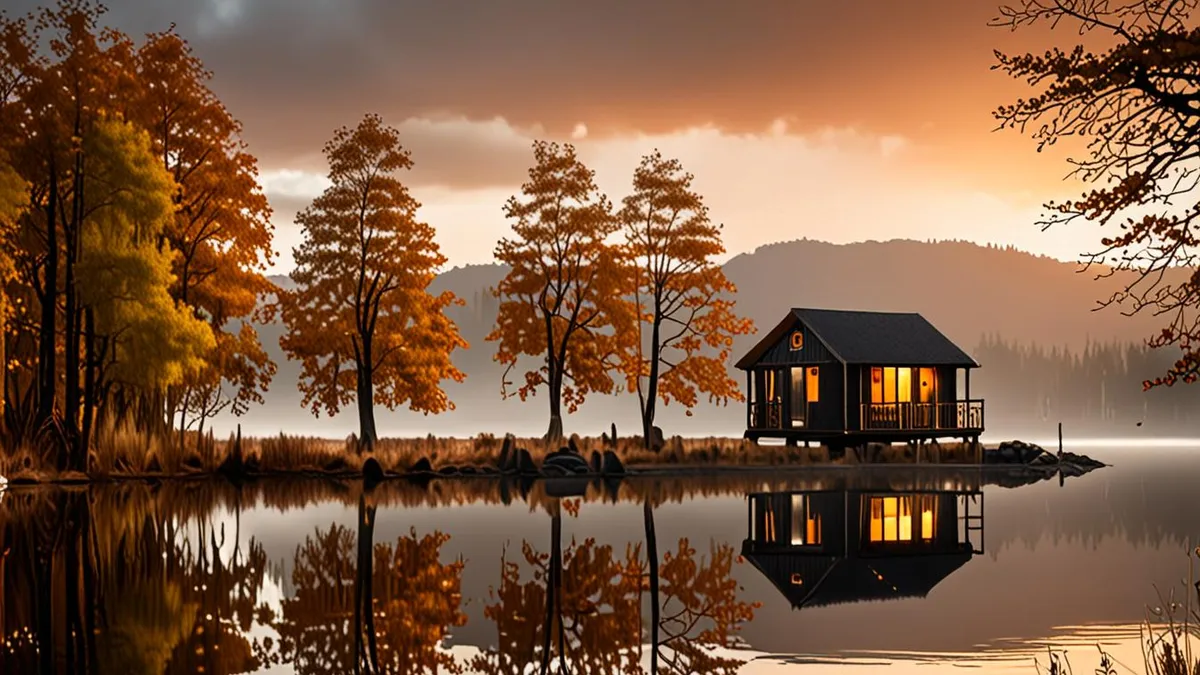
Summer Glamping: June to August
Summer is glamping season in the UK for a reason. From June to August you get the warmest and driest weather of the year, long evenings that stretch past nine o’clock, and the fullest calendar of festivals and events across the country. It’s peak season in every sense: late May through early September is when demand peaks, with July and August the busiest months of all.
Book early or compromise
The flip side of all that appeal is competition. At popular sites, peak summer weekends are snapped up far in advance, and the flagship units — the ones with the best views or private hot tubs — go first. If you leave booking until spring for a July or August weekend, expect to be choosing from cancellations or lesser-known locations rather than the pick of the site.
The midweek advantage
There’s a smarter way to do summer on a budget: go midweek. Midweek summer stays are noticeably cheaper than equivalent weekend rates and are far easier to secure, often with good availability even a few weeks out. For families constrained by school holidays, a Monday-to-Friday stay in late June or early July often delivers the best combination of weather, price and peace. Over the course of a long stay, that midweek discount adds up to a substantial saving, and quieter sites mean shorter waits for showers, fire pits and everything else. If you can only travel on weekends, aim for the edges of the season — early June or late August — when the weather is still kind and sites are less rammed.
Autumn Glamping: September to October
September might be the savviest month for glamping in the UK. The days still feel like summer, with long stretches of daylight and rainfall among the lightest you will find in the warmer half of the year, yet the school-holiday crowds have gone home. Rates ease back from their July and August peaks, and you can often secure a weekend spot with far less notice than in midsummer.
October shifts the mood entirely. Woodland sites take on deep autumn color, and many operators lean into it with wood-fired stoves, fire pits and cozy evenings indoors while temperatures settle around 10–15°C. If you have ever wanted to read a book beside a log burner while rain taps on canvas, this is your window.
Who autumn suits best
Autumn is a quiet-season dream for couples who want a romantic break without sharing a fire pit with six other tents. It is equally good for dog walkers: trails that are packed in summer are calm and muddy-pawed in the best way.
Just pack layers and waterproofs, because showers are part of the deal. Before you commit to a cooler night, check that your chosen unit has proper heating — a log burner or electric heater makes a real difference once the evenings turn damp. Autumn sits outside the busiest booking windows, so availability is generally friendlier than in peak season, but it is still smart to confirm heating and hot water details with the site before you book.
Winter Glamping: November to February
Winter glamping in the UK is a different animal from the summer version. With overnight lows commonly around 0–5°C, a basic bell tent or safari tent is simply not built for it. The only realistic options are insulated, heated structures: purpose-built glamping pods, solid cabins and geodesic domes with proper heating. Book one of those, and a frosty night can be genuinely enjoyable rather than an endurance test.
The upside is significant. Winter brings the lowest prices of the year and maximum availability, so you can often be selective about which site and which unit you take. Sites that are booked out months ahead in August frequently have midwinter gaps you could fill with a week’s notice.
What to check before booking
Heating is the make-or-break detail. Look specifically for a log burner, electric heating or underfloor heating in the unit description, and confirm it is included rather than an optional extra. A hot tub is a lovely bonus on a cold evening, but verify whether it is heated and available year-round, since some operators close theirs in winter. It is also worth asking about bedding warmth, hot water reliability and whether the site’s facilities (showers, toilets, communal spaces) stay open through the colder months.
When to Book: Lead Times by Season
How far ahead you need to book depends almost entirely on when you want to go. Peak-season weekends, especially in July and August, are the hardest dates to land: popular sites are often full by January or February for the following summer, so a 6–12 month lead time is the safe rule. If you have your heart set on a specific yurt, cabin or safari tent for a summer Saturday, treat booking like buying concert tickets rather than accommodation. Shoulder-season trips in April–May and September–October are far more forgiving, giving you a comfortable booking window without the same pressure. Winter and midweek dates are the most relaxed of all, and can often be booked just 2–6 weeks out, particularly at sites in the typical £60–£150-per-night range that still have gaps to fill.
A few practical details can change your timing strategy:
- Deposit-only bookings: many sites let you reserve a peak date months ahead with a partial payment, so you can lock in a July weekend in January without paying the full balance upfront.
- Cancellation lists: if your dream site is already full, ask to join the waitlist — last-minute cancellations on peak weekends are common, and flexible travelers sometimes score them at short notice.
- Midweek as a fallback: if you leave booking too late for a summer Saturday, shifting your stay to Monday–Thursday often opens up availability and trims the price at the same time.
- Calendar alerts: some operators release new season dates on a set day, so signing up for email notifications can give you a head start on the best units before they appear publicly.
One last tip: confirm the booking terms before you commit. Check whether your deposit is refundable, what happens if the site has to close for weather, and when the balance is due. Reading the fine print at the moment of booking saves awkward surprises later, and it also tells you how flexible you can afford to be if your plans shift.
Choosing Your Season and Locking It In
So, which months deliver the best glamping weather in the UK? For most travelers, the answer is summer, when the warmest, driest conditions make tent-style stays easy and family trips stress-free. But May and September are the sweet spot: they combine the longest daylight with the lowest rainfall of the warmer months, while prices and crowds stay gentler. Match the season to your stay type, too—canvas tents shine in summer, while heated pods and cabins handle winter lows of 0–5°C.
As for booking, the rule of thumb is simple: lock in peak-season weekends 6–12 months ahead, since popular sites often fill by January or February. Shoulder-season trips usually need just 2–4 months’ notice, and midweek dates are easier to secure and can cost 20–40% less. Plan around those windows and the calendar works for you, not against you. Have a favorite season for glamping? Share it in the comments or pass this article along.